









Paslanmayan polad qazan dəsti, şüşə qapaqlı
WholesaleNegotiable
RetailNegotiable
Min. orderNegotiable
BakuToday, 02:36
WholesaleNegotiable
RetailNegotiable
WholesaleNegotiable
RetailNegotiable

WholesaleNegotiable
RetailNegotiable
WholesaleNegotiable
RetailNegotiable

WholesaleNegotiable
Retail55 manat
WholesaleNegotiable
Retail33 manat

WholesaleNegotiable
Retail14 manat

WholesaleNegotiable
RetailNegotiable
WholesaleNegotiable
RetailNegotiable

WholesaleNegotiable
RetailNegotiable
WholesaleNegotiable
RetailNegotiable
WholesaleNegotiable
RetailNegotiable
Home and kitchen wholesale in Azerbaijan is a trade of importers and market-based wholesalers on one side and a long list of small retailers on the other. Homeware and hardware shops, dowry salons preparing wedding sets, gift shops, online sellers, supermarkets with a non-food aisle, restaurants, cafés and hotels all draw on the same sources, and companies ordering branded mugs or thermoses for staff join them before the holidays.
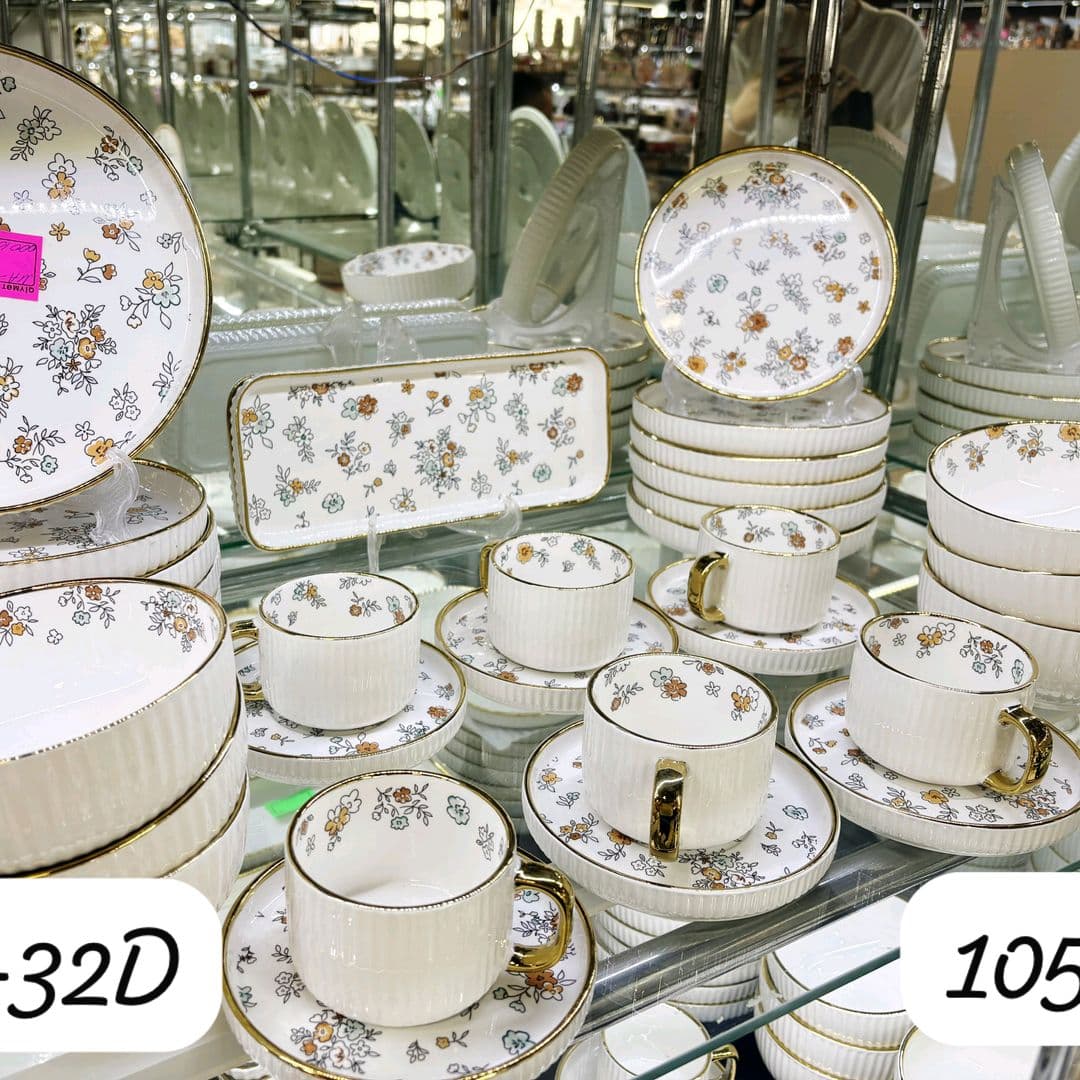
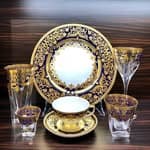
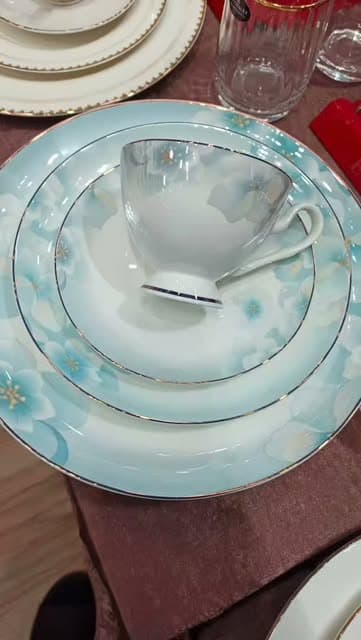
The category splits into three families, and the unit changes with each. Tableware covers pots and pans, plates and cups, cutlery, glassware, tea and dinner sets and disposable dishes, sold by the set or the carton. Household Goods covers buckets, basins, mops and brooms, hangers, laundry baskets, storage boxes and bathroom accessories, sold by the carton with the piece count stated. Kitchen Utensils covers cutting boards, graters, scales, measuring cups, food containers, thermoses and water bottles, sold by the carton or the pack. Price moves with material, finish, carton size and the exchange rate against AZN, and demand climbs before the wedding season and the New Year and Novruz holidays.
This main page lists products from all three subcategories together, useful for a first comparison of suppliers, cities and minimum orders. To go deeper, open Tableware, Household Goods or Kitchen Utensils and apply the city, price range and offer type filters there. Every product page states its MOQ and unit; the seller's other products are one click away in the store profile, and a buy request puts a mixed list of homeware in front of all of them at once.
A tip for mixed orders: housewares sell on colour and design, so take several colours of one model on the first order, note which ones move, and build the repeat order around them. Comparing suppliers by the price of a whole carton rather than a single piece avoids the common trap of a cheap unit price hidden inside a large minimum.
Each family has a different buyer profile. Tableware is the dowry salon's and the restaurant's territory, where the ability to reorder the same series for years counts for more than price. Household goods are the hardware shop's fast movers, cheap per piece and bought in mixed cartons. Kitchen utensils sit between the two, with thermoses and bottles adding a gift and corporate angle.
Importers often span all three families, so a supplier found under one subcategory may be worth checking under the others. Open the store profile from any product to see the company's complete range, then use the price and city filters within each subcategory to build a shortlist, and keep the Saved list for comparison before you contact anyone.
| Subcategory | Typical goods | Wholesale unit |
|---|---|---|
| Tableware | Cookware, plates, cups, cutlery, glassware, dinner and tea sets, disposables | Set or carton |
| Household Goods | Buckets, basins, mops, brooms, hangers, laundry baskets, storage boxes, bathroom accessories | Carton with the piece count stated |
| Kitchen Utensils | Cutting boards, graters, scales, measuring cups, food containers, thermoses, water bottles | Carton or pack |
Last updated:
Hand-used items for the home: tableware, cookware, household goods such as buckets, mops and storage, and kitchen utensils including thermoses and water bottles. Electric kitchen appliances such as ovens, blenders and coffee machines sit under Electronics in Home Appliances, kitchen cabinets, tables and chairs under Furniture, and bedding and towels under Textile & Clothing, so check those pages when your list is mixed.
Homeware and hardware shops, dowry salons assembling wedding sets, gift shops, online sellers, supermarkets stocking a non-food aisle, restaurants, cafés, hotels and catering firms, cleaning companies, and employers ordering branded mugs or thermoses as corporate gifts. Retailers buy mixed cartons of many designs; hospitality buyers take one durable series in volume so breakages can be replaced for years.
By the set for tableware and cookware, by the carton for plastic household goods and utensils, with the piece count per carton written on the product page, and occasionally by the pallet for buckets, basins and other bulky plastics. The MOQ shown on each product page uses one of these units, so compare carton prices with the pieces inside rather than reading the headline figure alone.
Material and finish first: stainless steel, tempered glass, porcelain and thick polypropylene cost more than thin plastic and painted ceramic. Then carton size, the exchange rate at the time of import, the design licence where a character or pattern is printed, and how fast the model turns over. Prices tighten before the wedding season and the winter holidays, when dowry salons and gift shops stock up.
Before Novruz in March, when homes are cleaned and renewed and tableware and household goods sell together, through the summer and autumn wedding season for dinner and tea sets, and in the weeks before New Year for gifts and hosting. Storage boxes move in autumn, cooling bottles and picnic ware in late spring. Order a month or two ahead of each peak to keep a full range.
Look for the glass-and-fork symbol or a food-contact statement on the base or the carton, ask whether painted or coloured surfaces are glazed over the decoration, and request the material declaration for plastics and non-stick coatings. Some food-contact articles may require certification before resale, so review the seller's documents and keep a copy with the batch for your own customers.
Yes, Baku importers and market wholesalers supply shops in Ganja, Sheki, Lankaran and the other regional centres, usually by transport that the buyer arranges or pays for. Regional wholesalers hold a narrower range closer to you. Use the city filter to weigh the two: a slightly higher carton price nearby can beat a cheaper one plus transport from the capital.
Thermoses, mugs, water bottles and cutting boards take laser engraving or printing well and are the usual corporate-gift items, and some importers print a retailer's name on carton labels or gift boxes. Agree the print method, the minimum run per design and the lead time before you order, and sign off a printed sample, because colours on steel and plastic differ from a screen proof.
One request on this main page is enough when your list spans tableware, household goods and utensils, because suppliers who carry only part of it can still quote on that part. Post separate requests in a subcategory when the quantity of one item is large enough to attract specialist importers. In both cases state quantities, units and your city so the replies are usable.