



BİOESEN N-MIX PLUS
WholesaleNegotiable
RetailNegotiable
Min. orderNegotiable
BakuToday, 02:45
WholesaleNegotiable
RetailNegotiable
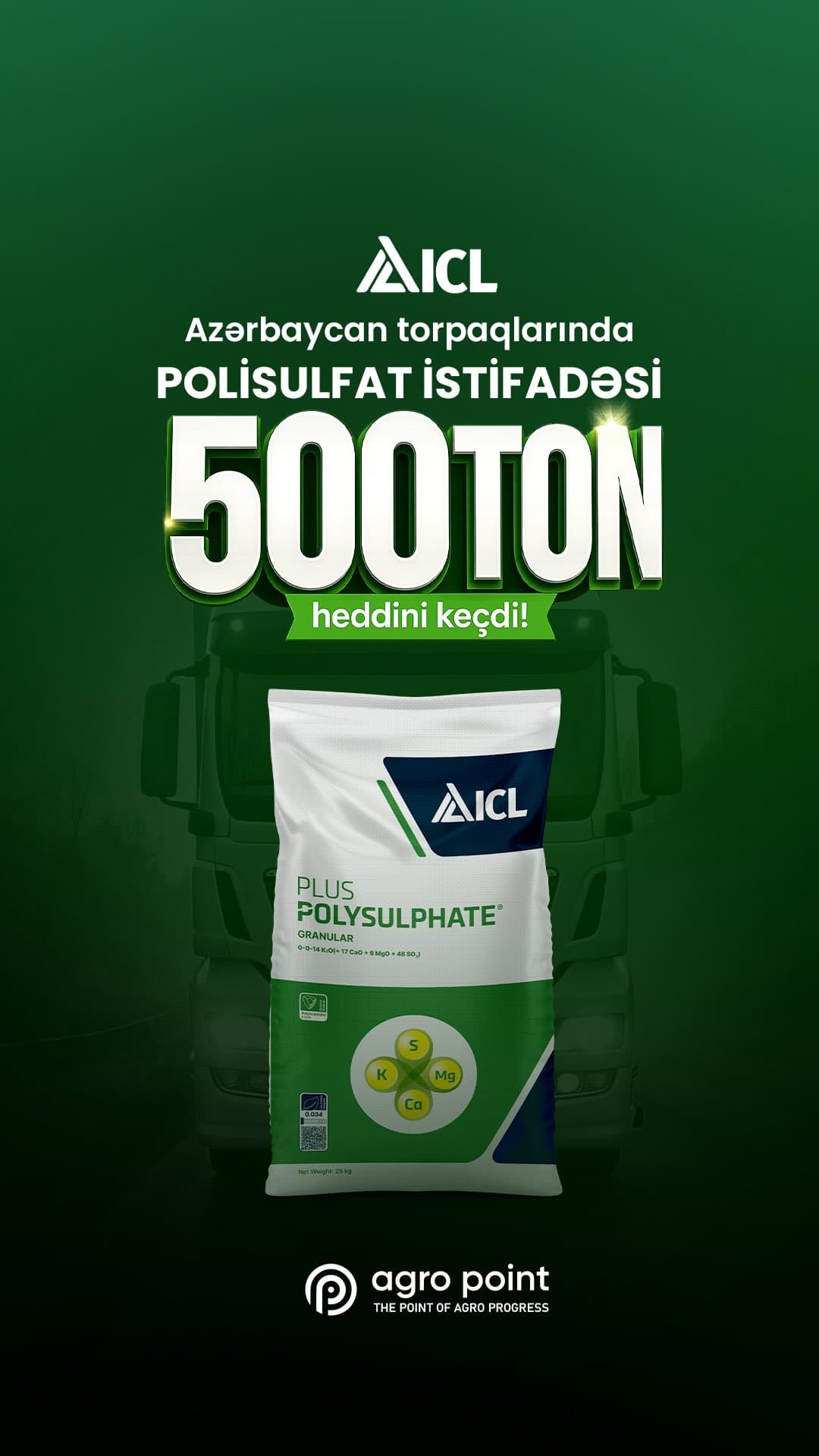
WholesaleNegotiable
RetailNegotiable
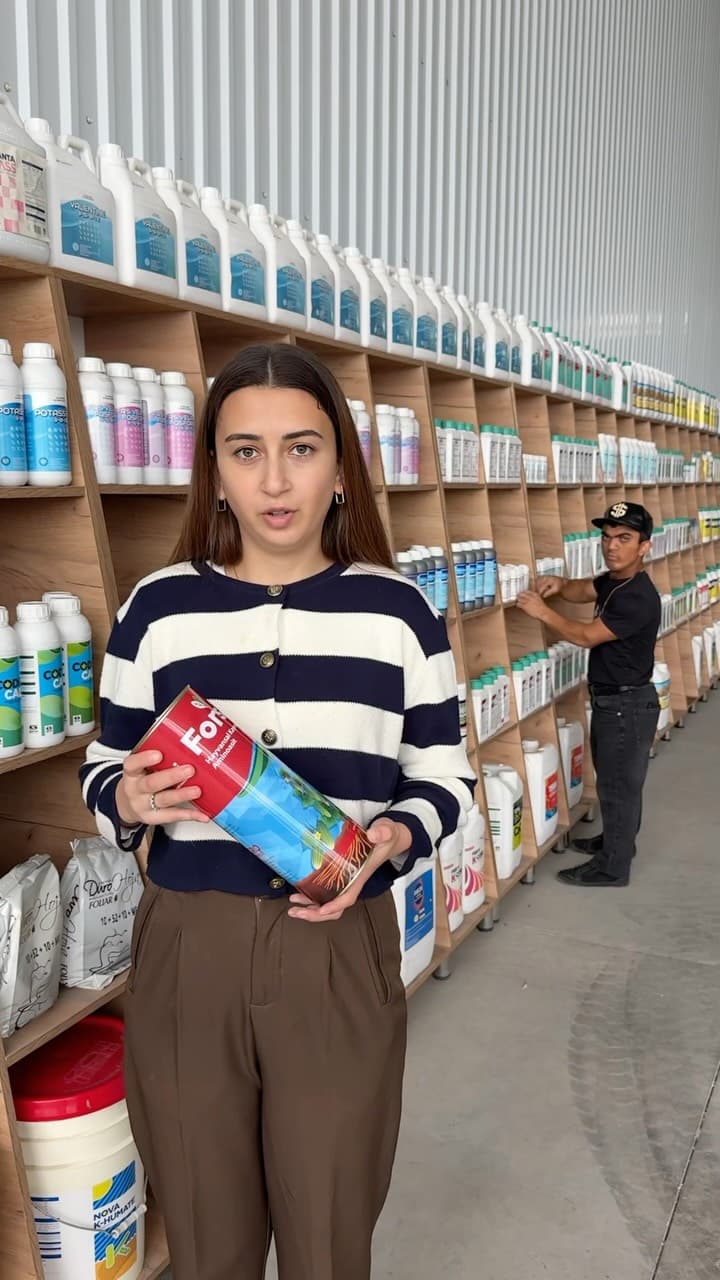
WholesaleNegotiable
RetailNegotiable
WholesaleNegotiable
RetailNegotiable
WholesaleNegotiable
RetailNegotiable
WholesaleNegotiable
RetailNegotiable
WholesaleNegotiable
RetailNegotiable
WholesaleNegotiable
RetailNegotiable
WholesaleNegotiable
RetailNegotiable
WholesaleNegotiable
RetailNegotiable
WholesaleNegotiable
RetailNegotiable
WholesaleNegotiable
RetailNegotiable
Azerbaijan agricultural products range from winter wheat and barley on the Kura-Araz plain to hazelnuts in Sheki and Zagatala, apples in Quba, pomegranates around Goychay and greenhouse tomatoes near Lankaran and on Absheron. Behind each crop runs a wholesale trade in inputs. Importers and national distributors sell seed, fertilizer and crop protection to regional agro-dealers, who resell to family farms, cooperatives, orchards and greenhouse operators, while livestock farms buy hay and feed grain by the truckload. Foreign manufacturers seeking distributors, and traders handling Azerbaijan agricultural exports, work with this same chain.
Units differ by product family. Seed moves by the kilogram, sack or tonne, fertilizer in 50 kg sacks or big bags priced per tonne, crop protection in litres or boxes, machinery per piece, drip tape per metre and fodder per tonne or bale. Prices follow the farm calendar: inputs firm up before autumn sowing and spring, while hay and feed grain cost more in late winter. Exchange rates matter too, as much of the fertilizer, chemistry and machinery on offer is imported. For pesticides and imported seed or feed, registration, phytosanitary or veterinary documents may be required; check the seller's paperwork before you commit.
This main category shows products from all five subcategories at once. Narrow them by city, price range and offer type, sort by newest or by price, or open Seeds, Fertilizers, Pesticides, Farm Equipment or Fodder for one product family. Every product page lists the minimum order quantity (MOQ) with its unit, and you reach the seller through the contact details on the product page or store profile. If no offer fits, post a free buy request.
A practical point for input suppliers: farm purchasing in Azerbaijan is compressed into a few weeks before each season, and regional agro-dealers order earlier than the farms they serve. Post your offer well before sowing so dealers can request samples, compare terms and arrange transport from Baku.
Farm inputs are sold in different units, and the pack text confirms which one applies: cereal seed by the kilogram in sacks, small vegetable seed in packets counted in grams or seed numbers, fertilizer in 25 or 50 kg sacks, dry fodder in rolls, bales or tonnes. A seed pack should show variety, germination rate, batch number and packing year, and treated seed is dyed and must never be used as feed. A fertilizer sack states N-P-K content and production date; the grades are explained in the Fertilizers subcategory.
Hay roll weight depends on press density and moisture, so on a big lot tonnes are more reliable than a roll count. Compound feed carries a composition table, the target animal and a shelf life. Machinery and tools are sold by the piece, and the technical passport gives power, working width and weight. Treated seed and crop protection products may require registration, so ask the seller for the documents.
| Product family | Wholesale unit | Stated on the pack or passport |
|---|---|---|
| Cereal and industrial crop seed | kg; 25 or 50 kg sack | variety, germination rate, batch number, packing year |
| Vegetable seed | packet (grams or seed count) | variety, seed count, year, treatment note |
| Mineral fertilizer | 25 or 50 kg sack; tonne | N-P-K content, net weight, production date |
| Dry hay and straw | roll, bale; tonne | weight on the delivery note, moisture measured on receipt |
| Compound feed | sack; tonne | composition table, target animal, shelf life |
| Machinery and tools | piece, set | technical passport: power, working width, weight |
Last updated:
Wheat and barley, cotton, hazelnuts, grapes, fruit such as apples, pomegranates and persimmons, and vegetables, notably tomatoes and potatoes, form the core of the country's farm output. Livestock adds milk, meat and wool. Inputs for all of these, from seed to feed, are traded in this category, while fresh produce for food use is listed under Food Products.
Export-oriented buyers will find fodder crops such as hay, alfalfa and feed grain in the Fodder subcategory, and fruit, vegetables and food grain under Food Products, in Fruits & Vegetables and in Grain, Flour & Groats. Fresh fruit, tomatoes, hazelnuts and cotton are well-known lines among Azerbaijan's agricultural exports; ask each seller about export documents, packing and the volume they can repeat.
Regional agro-dealers, farming cooperatives, crop and orchard companies, greenhouse complexes and livestock farms are the main bulk buyers. Dealers in towns such as Barda, Saatli, Ganja and Lankaran resell to smaller farms, so a foreign supplier often reaches the field through them, while larger growers may buy direct from importers to save a margin.
Each seller sets its own minimum order quantity on the product page, together with the unit it applies to, such as tonne, sack, litre or piece. Bulk inputs like fertilizer or feed grain usually start at a truckload or a pallet, while vegetable seed and crop protection can start at a few cartons. If the MOQ is too high, ask whether the seller will build a mixed pallet.
Input prices tend to move with the farm calendar rather than the retail year. Fertilizer and cereal seed firm up before autumn sowing and again ahead of spring top-dressing, crop protection demand peaks from spring into midsummer, and hay and feed grain become dearer in late winter as farm stocks run down. Import costs and the AZN exchange rate feed into all of them.
Both have advantages: Baku and the Absheron peninsula hold many of the import warehouses and head offices, while the regions hold the demand. Buying in Baku usually gives a wider choice of products and pack sizes; buying from a dealer in Ganja, Barda or Lankaran can save inland freight and lets you see the goods before loading. Filter products by city to compare.
Ask for the product's registration or approval details, a safety data sheet and batch-specific quality documents, and keep copies with your purchase records. Pesticides, imported seed and imported feed are the goods where registration, phytosanitary or veterinary documents may be required, and rules can change, so check the seller's documents against current requirements before payment.
No, TopdanMall is a trading platform: it does not sell goods, hold stock, deliver or take payment for goods. Buyers and sellers agree price, payment terms, inspection and transport between themselves after making contact through the product page or store profile, so put those points in writing before any goods are loaded.