















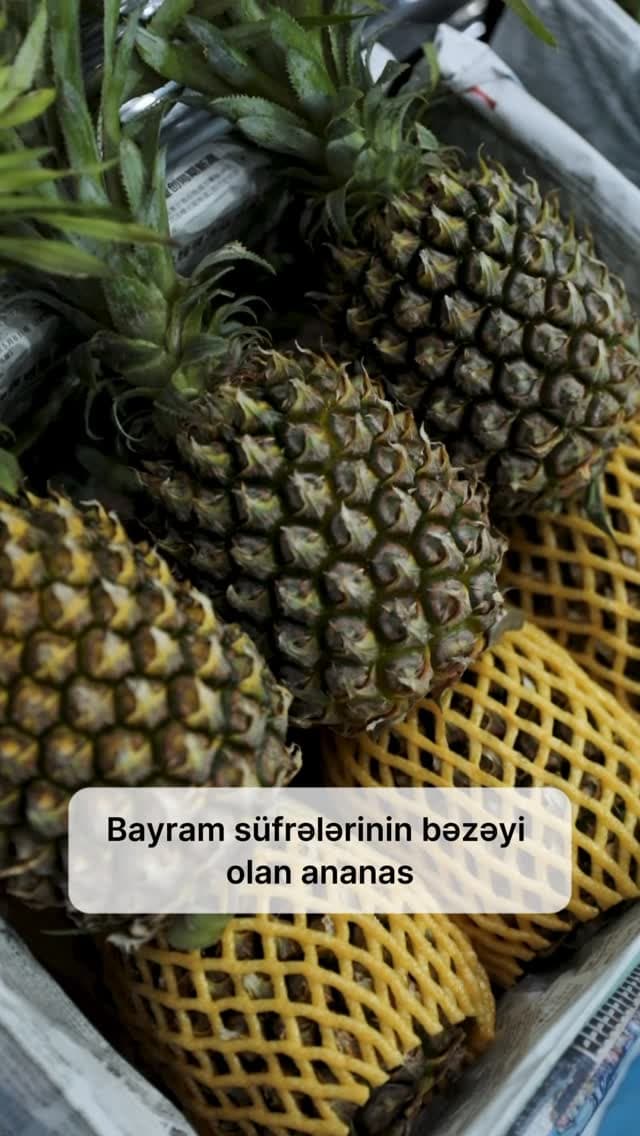
Ananas, şirəli və seçmə, qutuda
WholesaleNegotiable
RetailNegotiable
Min. orderNegotiable
BakuToday, 02:41
WholesaleNegotiable
RetailNegotiable
WholesaleNegotiable
RetailNegotiable
WholesaleNegotiable
RetailNegotiable
WholesaleNegotiable
RetailNegotiable
WholesaleNegotiable
RetailNegotiable

WholesaleNegotiable
RetailNegotiable
WholesaleNegotiable
RetailNegotiable
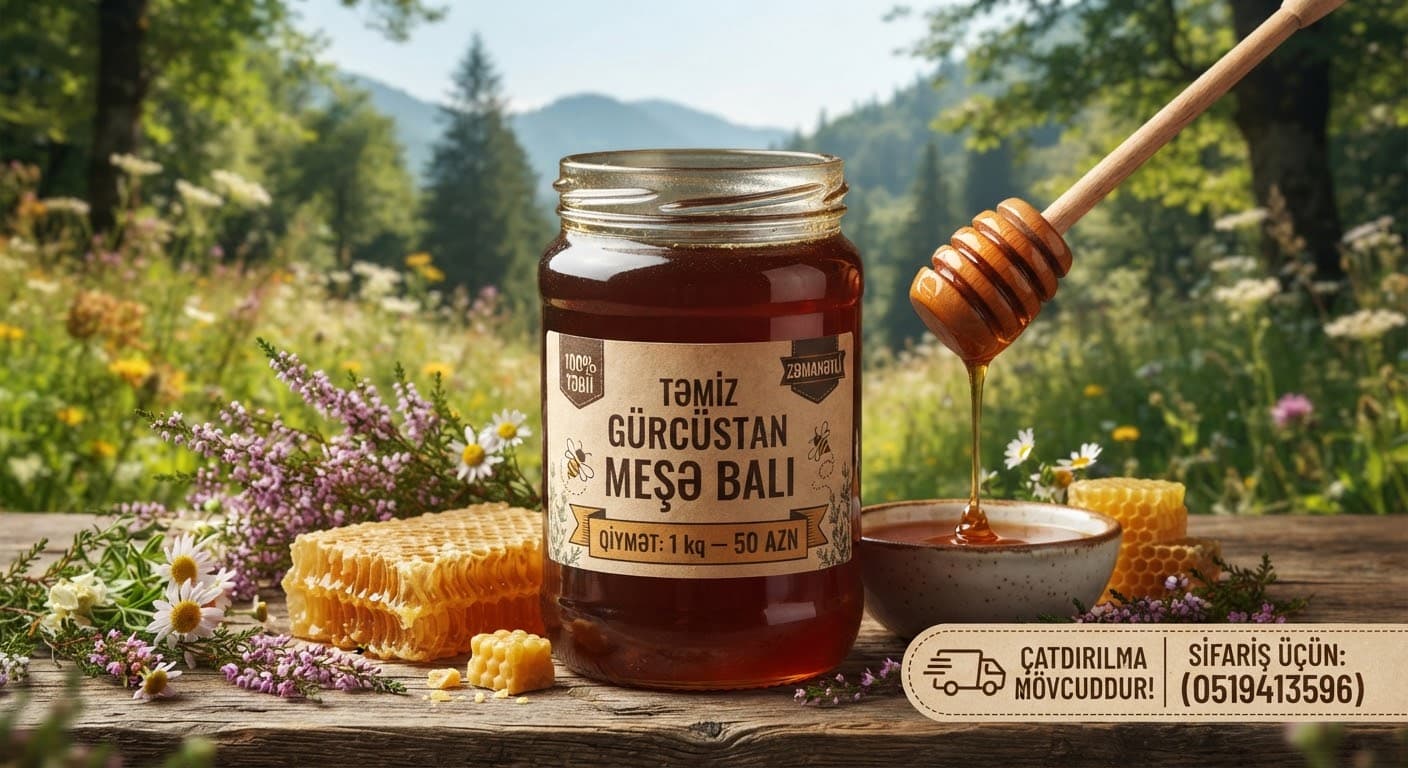
Wholesale45 manat
RetailNo

WholesaleNegotiable
RetailNo
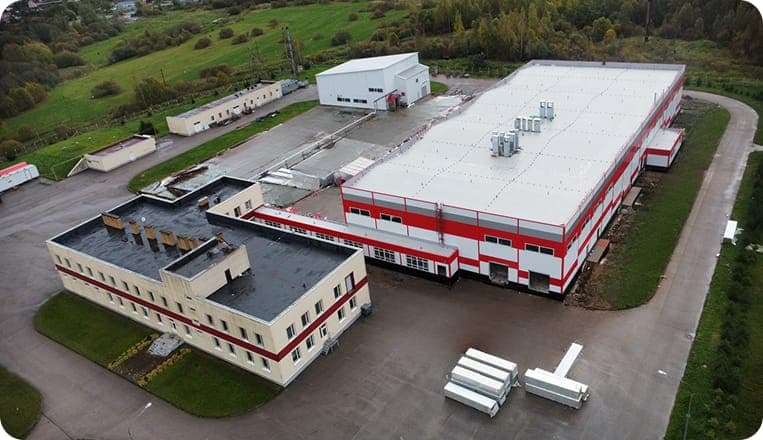
Wholesale11.50 manat
RetailNo
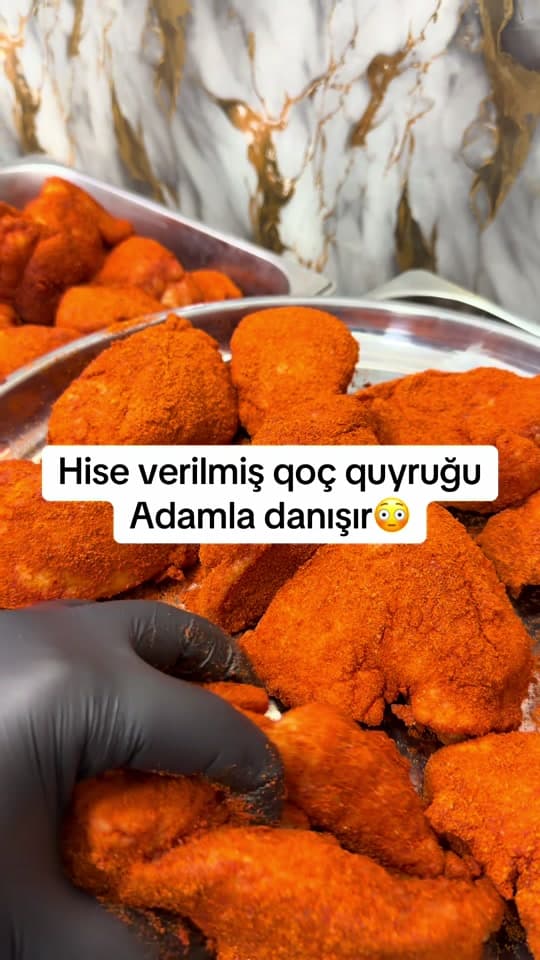
WholesaleNegotiable
RetailNegotiable
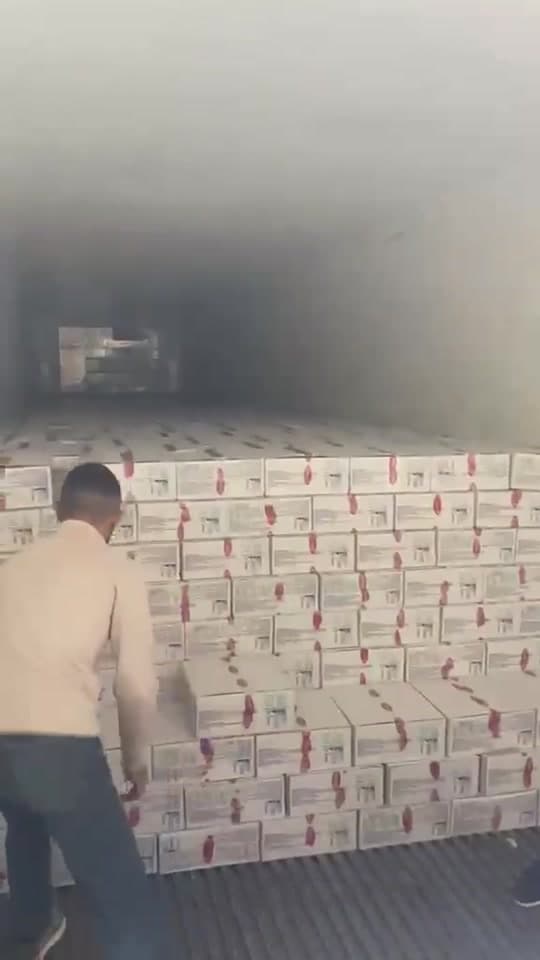
WholesaleNegotiable
RetailNegotiable
Azerbaijan food exports rest on a handful of strong product families: hazelnuts from the north-west, pomegranates from Goychay, apples from Guba, citrus, tea and early vegetables from the Lankaran south, plus Caspian fish, preserves and traditional sweets. At home the same goods pass through farms, processors, importers and distributors that supply grocery shops, supermarkets, restaurants, hotels, caterers and bakeries in Baku, Sumgait, Ganja and the regions. Foreign buyers look for consistent export lots; local buyers want dependable weekly supply.
Each family trades in its own units. Flour, sugar and rice are quoted per kilogram, per ton or per çuval, the woven sack of 25 or 50 kg used as a unit on Azerbaijani product pages; oils and drinks go by the litre or case, packaged foods by the piece (ədəd) or box (qutu). Prices react to the harvest, exchange rates for imported lines, packaging and transport distance, and sweets and staples peak before Novruz, the spring holiday in March. For cross-border deals, origin, phytosanitary or veterinary certificates may be required, so settle the paperwork before the price.
This category brings together products from every food subcategory in one list. Narrow it by city, set a price range in AZN and switch between seller offers and buy requests; each product page states the wholesale price per unit where listed and the minimum order quantity (MOQ) with its unit. Contact details sit on the product page, so you deal with the supplier directly, and a free buy request lets sellers come to you.
If you are new to this market, start in the subcategory that matches your product: grain, chilled meat and confectionery follow different MOQ habits, and three or four offers compared in the same unit tell you more than scrolling every food product at once.
A wholesale food lot is checked first against its label, which should state the product name, net weight or volume, production and expiry dates, batch number, storage conditions and the producer's address. Trade units differ from retail ones: flour and sugar go by the sack, oil and drinks by cases of 6–12 units, canned goods by the carton of jars, and meat and fish by the kilogram, so the quantity on the invoice should be compared with the net weight printed on the pack.
Each product group has its own checkpoint: moisture and insect traces in dry goods, cloudiness and smell in oil, swollen lids on cans, temperature in chilled products. A quality certificate, a certificate of conformity and hygiene documents may be requested, and the batch number on those papers should match the label. The table summarises the main groups.
| Product group | Wholesale pack unit | First thing read on the label |
|---|---|---|
| Flour, groats, sugar | 25 or 50 kg sack, pallet | grade, moisture, production date |
| Vegetable oil, drinks | 1–5 L bottle, case of 6–12 | net volume, expiry date |
| Canned goods | glass jar or tin, carton | batch number, lid integrity |
| Meat, poultry, fish | carton, sold by the kg | storage temperature, slaughter or freezing date |
| Tea, coffee, spices | sack, carton, pack | origin, loose or packed, moisture |
Last updated:
Azerbaijan food exports centre on hazelnuts, fresh fruit such as persimmons, pomegranates and apples, greenhouse tomatoes and other vegetables, pomegranate juice, tea, preserves and traditional sweets. Volumes vary with the season and the harvest, so buyers who plan purchases around the local crop calendar find suppliers with more stock and better terms.
They differ widely because each product has a natural trading unit. Grain and sugar are usually quoted per ton or per sack, fresh produce per kilogram in lots of one or more tons, and packaged foods or drinks from a set number of boxes or a pallet. Each seller sets the MOQ on the product page, so compare offers only in the same unit.
Start from your own market's import rules: a commercial invoice and certificate of origin are standard, and phytosanitary certificates for plant products or veterinary certificates for animal products may be required, along with laboratory results. Requirements differ by country and product, so confirm in writing which papers the supplier will arrange before any payment.
Yes, importers and distributors can offer imported lines to shops, HoReCa buyers and wholesalers in Baku and other cities. Customs clearance, labelling in the local language and any registration that may be required stay with the seller, so complete them before quoting prices that assume the goods are already in the country.
Fresh produce is cheapest at the peak of the local harvest, from early summer vegetables to autumn apples, persimmons and pomegranates, and gets dearer once supply shifts to cold stores or imports. Dry and packaged goods move less with the weather but respond to exchange rates, freight costs and holiday demand before Novruz, Ramadan and the New Year.
Some processors of preserves, juices, tea, spices and confectionery may accept private-label or custom-packaging orders, usually with a higher minimum run than standard stock. Discuss recipe, label content, packaging material and shelf-life testing at the start, and ask for a pre-production sample before confirming the full order.
Chilled and frozen goods such as meat, fish and dairy need refrigerated trucks and storage at a stable temperature all the way from the seller's warehouse to yours. Dry goods like flour, sugar, tea and canned food travel in ordinary covered trucks but must stay dry and away from strong odours. The platform does not arrange transport, so agree on who books and pays for it.
Open this category or one of its subcategories and apply the city filter, which covers Baku, Ganja, Sumgait, Lankaran, Guba, Sheki and other cities. The wholesaler directory also shows each store's city and all of its active products, which helps when you want one partner for several product lines.