
















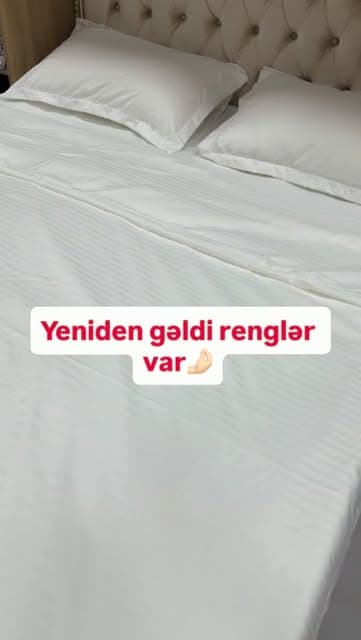
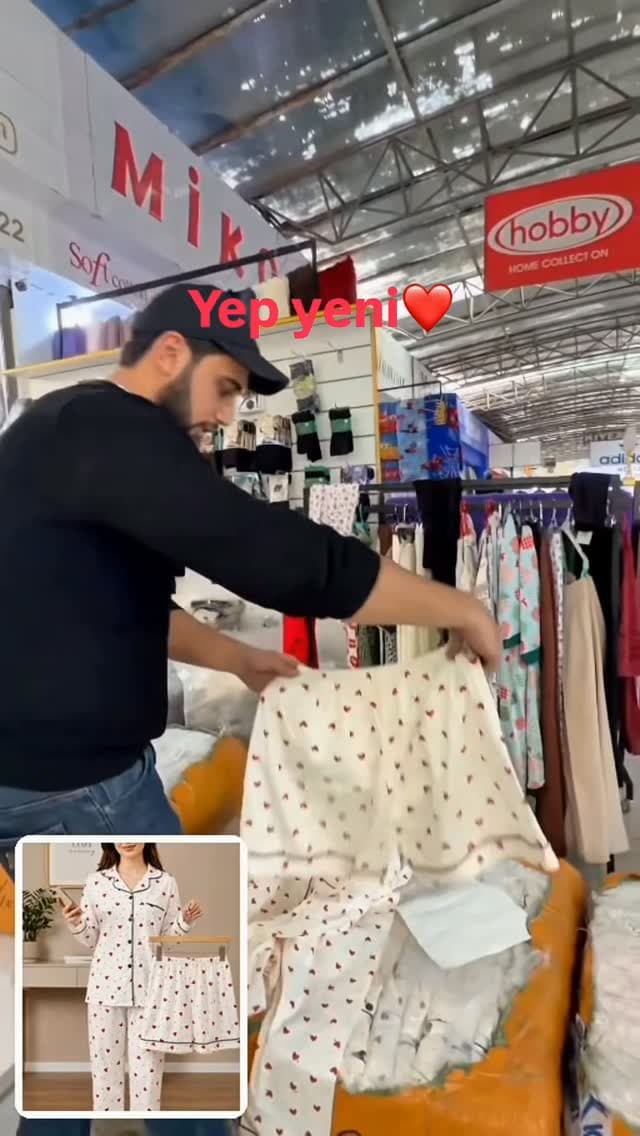
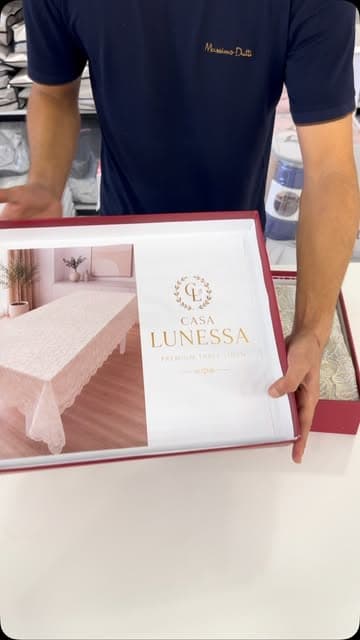
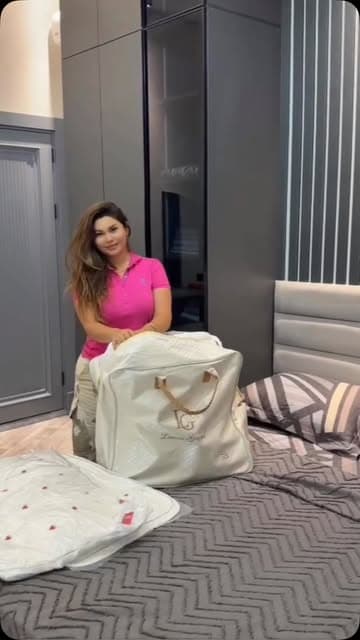
Ağ naxışlı ev tekstili, qutuda
WholesaleNegotiable
RetailNegotiable
Min. orderNegotiable
BakuToday, 02:59
WholesaleNegotiable
RetailNegotiable
WholesaleNegotiable
RetailNegotiable
WholesaleNegotiable
RetailNegotiable
WholesaleNegotiable
Retail21 manat
WholesaleNegotiable
RetailNegotiable
WholesaleNegotiable
RetailNegotiable
WholesaleNegotiable
RetailNegotiable
WholesaleNegotiable
RetailNegotiable
WholesaleNegotiable
RetailNegotiable
WholesaleNegotiable
RetailNegotiable
WholesaleNegotiable
RetailNegotiable
WholesaleNegotiable
RetailNegotiable
Azerbaijan textile companies cover the whole chain. Cotton from the central lowlands is ginned and spun into yarn, Azerbaijan textile mills weave and knit it into cloth, and sewing workshops turn that cloth into garments, uniforms and bedding. Weavers in Quba and Ganja carry on the carpet tradition, while Sheki is still associated with silk. Baku importers add finished clothing and fabric for the home market. Buyers range from boutiques and market stalls to hotels, hospitals, contractors ordering workwear, and foreign traders studying the Azerbaijan textile industry as a source of yarn, silk and handmade rugs.
Units change from one product family to the next: fabric goes by the metre or, for knits, by the kilogram; garments by the piece in packs of a size run; socks by the pack or box; carpets by the piece. Price follows fibre, fabric weight, finishing and volume, and the calendar matters too. Winter outerwear and blankets are bought in late summer, school clothing in July and August, hotel linen before the tourist season.
This page gathers textile and clothing wholesale products from all eight subcategories, so begin here for a broad comparison, then narrow down to Fabric & Cloth, Men's, Women's or Children's Clothing, Socks & Underwear, Bedding, Carpet & Rugs or Workwear. Filter by city to weigh clothing suppliers in Baku against those in Ganja, Sheki or Mingachevir, set a price range, and switch between sell offers and buy requests. You deal with each seller directly, and when nothing fits, a buy request stating your quantity lets suppliers come to you.
Tip for importers: ask the supplier to describe the goods exactly as you will declare them, with fibre composition, knitted or woven construction and garment type, because these details decide the customs tariff line and spare you a second round of questions at the border.
For a wholesale clothing buyer the label is the product passport: every piece should carry its fibre composition, size marking, care symbols and the maker's name. Composition is written as fibre names with shares, for example cotton and polyester, and it predicts how the cloth will wash, shrink and feel against the skin. Sizes appear as letters, numbers or height in centimetres, and one model should use a single system throughout.
When a lot arrives, compare the sewn-in label with the product page; if the composition differs, a price comparison is meaningless. Imported goods often carry labels in the language of the producing country, so ask the supplier in advance whether a local-language tag will be needed for sale. The table covers the four basic lines of a label.
| Label line | What it tells you | Where to check |
|---|---|---|
| Fibre composition | fibre names and shares; wash and shrink behaviour | sewn-in label; description on the invoice |
| Size marking | letter, number or height system | neck label; the maker's size chart |
| Care symbols | wash temperature, bleaching, ironing and dry cleaning | care label in the side seam |
| Maker and origin | producer, country of manufacture, model and batch code | label; origin document; invoice |
Last updated:
Cotton fibre and yarn, woven and knitted fabric, ready-made garments, bedding, workwear and carpets are the main goods Azerbaijan textile companies trade in wholesale volumes. Silk from the Sheki area and handmade carpets from the regional weaving schools carry a long local tradition and make a natural starting point for buyers interested in Azerbaijani craft.
No, each supplier sets its own minimum, and the product page shows it together with the unit, whether metres, kilograms, pieces, packs or boxes. Fabric mills tend to think in whole rolls, garment wholesalers in full size runs per model, and carpet sellers may accept a single handmade piece. Ask whether a mixed order across colours or models counts towards the minimum.
Fibre cost, fabric weight and finish, labour and order volume set the base price, and imported lines also track the exchange rate against AZN. Prices tend to firm up when demand peaks, so a buyer who books seasonal goods a few months ahead usually gets fuller assortments and steadier quotes than one who orders at the height of the season.
Ask for an invoice that states fibre composition and quantities, a packing list and, for cross-border shipments, a certificate of origin. For children's clothing, bedding and protective workwear, test or conformity documents may be required in your market, so confirm what applies there and check the seller's papers before you pay.
Baku brings together importers, distributors and a broad range of ready-made clothing, which suits buyers who need stock quickly. Regional towns with a textile tradition, such as Ganja, Sheki, Mingachevir or Quba, can be a better source for cotton cloth, silk and carpets, though you then arrange collection or transport yourself.
Fabric travels in rolls wrapped in polythene, garments in cartons or pressed bales sorted by size run, and carpets rolled and wrapped against moisture. Transport is agreed between buyer and seller, so settle who books and pays for it, and who carries the risk in transit, before you confirm the order.
Yes, cotton grown in the central lowland districts is ginned and spun locally, and fibre and yarn are traded for export as well as for domestic mills. When sourcing for Azerbaijan cotton export, ask for the grade, staple length and micronaire, the crop year, and whether an origin certificate and export packing in pressed bales can be provided.
Register with a phone number or a Google account, choose the matching subcategory, select the buy-request offer type and describe the product, quantity, unit and city. Posting is free, and suppliers who read your request can reach you through the contact details on it.