












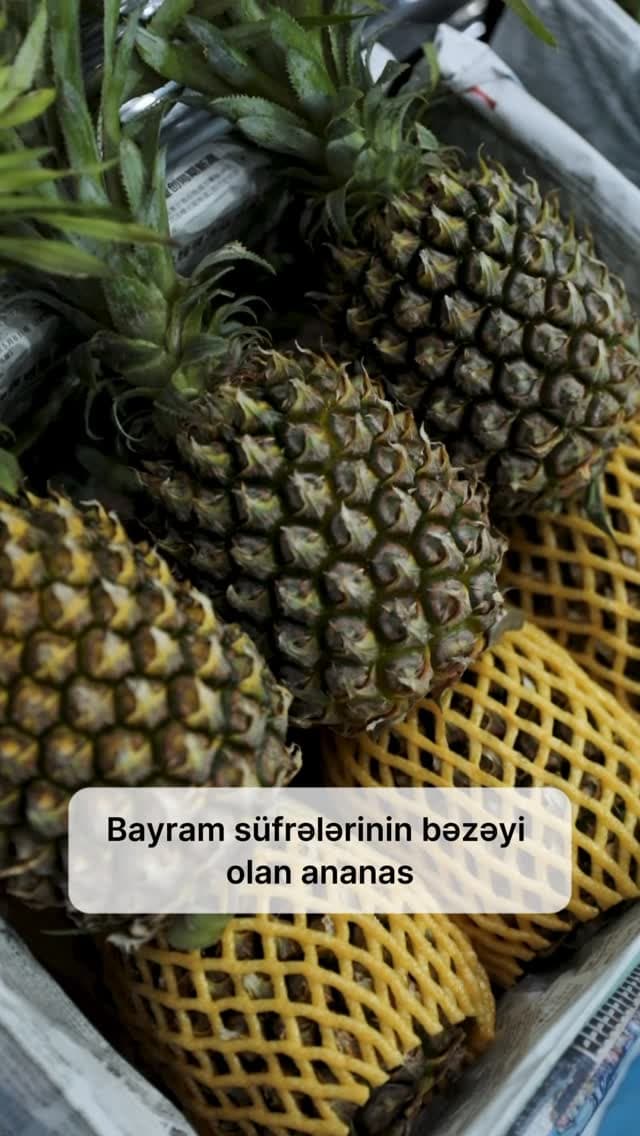
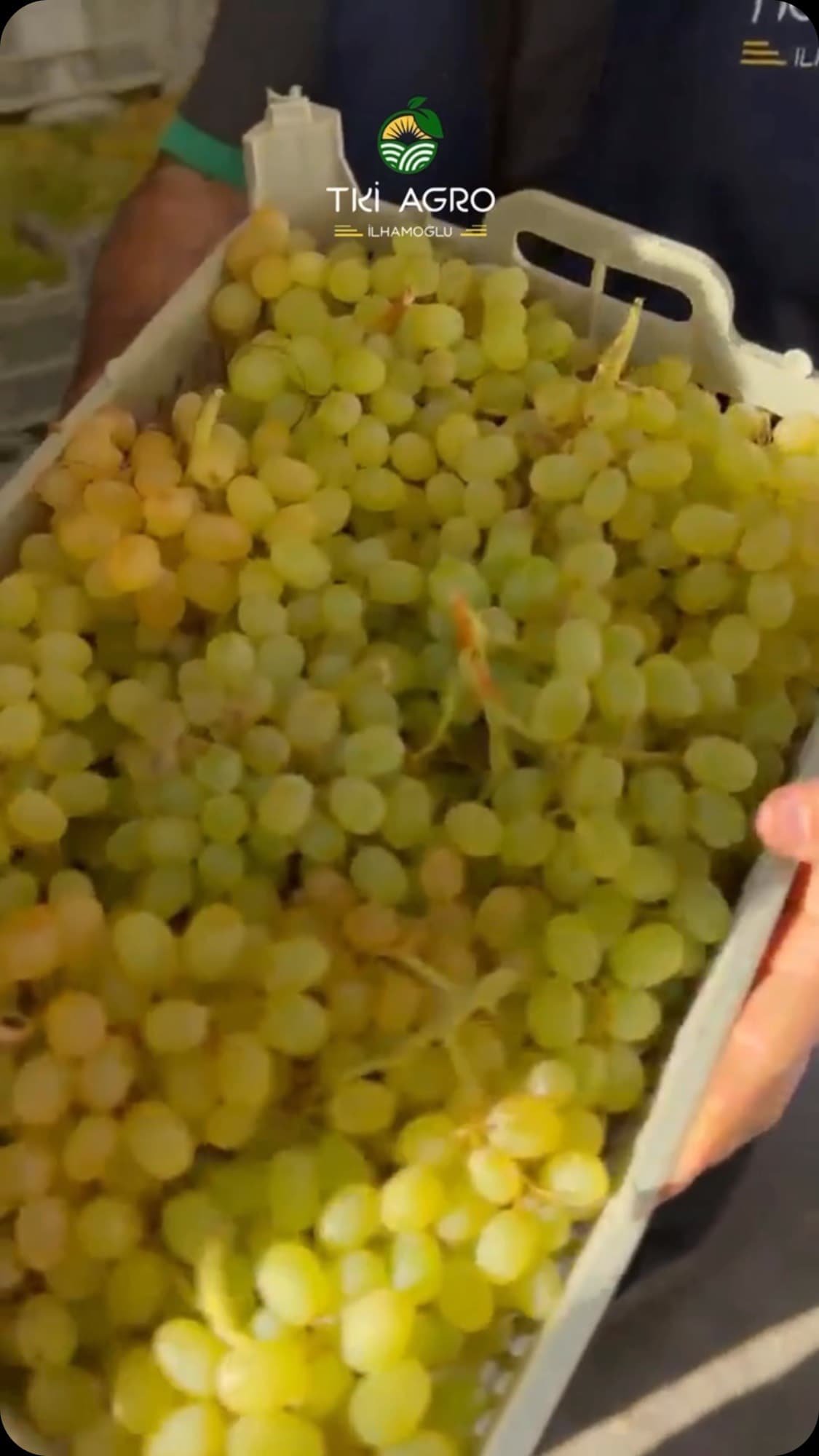
Ananas, şirəli və seçmə, qutuda
WholesaleNegotiable
RetailNegotiable
Min. orderNegotiable
BakuToday, 02:41
WholesaleNegotiable
RetailNegotiable
WholesaleNegotiable
RetailNegotiable

WholesaleNegotiable
RetailNegotiable
WholesaleNegotiable
RetailNegotiable
WholesaleNegotiable
RetailNegotiable
WholesaleNegotiable
RetailNegotiable

WholesaleNegotiable
RetailNegotiable
WholesaleNegotiable
RetailNegotiable
WholesaleNegotiable
RetailNegotiable
WholesaleNegotiable
RetailNegotiable
Geography decides almost everything in fruit and vegetable wholesale in Azerbaijan. Hazelnuts grow mainly in the north-west around Zagatala, Balakan, Sheki and Gakh; pomegranates in Goychay and the central lowlands; apples and pears in Guba and Gusar; citrus, feijoa and early vegetables around Lankaran; greenhouse tomatoes and cucumbers on Absheron and in the south. Azerbaijan hazelnut exporters and pomegranate packers sell to processors abroad, while growers and middlemen supply wholesale markets, supermarkets, restaurants and juice and canning plants at home.
Fresh produce is quoted per kilogram or ton and packed in crates, cartons or mesh bags; an export MOQ is often a full refrigerated truck. Hazelnuts trade in-shell or as kernels, graded by size, in 25 or 50 kg bags. Prices move with the harvest calendar, weather damage, cold-store stocks and export demand. Buyers check grading, ripeness, bruising and pesticide residues, and a phytosanitary certificate and certificate of origin may be required by the destination country.
Growers in Goychay, Guba, Lankaran or Zagatala can be reached directly by narrowing the list by city; set a price range per unit in AZN, and if you are a grower looking for a buyer, switch to buy requests. Each product page shows the minimum order and its unit, and the contact details let you arrange a field or packhouse visit before the crop is picked.
With hazelnuts, ask for the kernel yield of an in-shell lot and crack a sample in front of the seller: lots with many empty or shrivelled nuts look identical from the outside, and kernel yield decides what you really pay per usable kilogram.
Calibre is the size class of produce. For fruit it is the diameter in millimetres (65–70 or 70–75 mm for apples, for example), for citrus a size code number, and for potatoes and onions a fraction such as large, medium or small. The crate label gives calibre together with class (extra, first, second) and origin. An even calibre means fewer losses on a supermarket shelf, while juice and canning plants often look for the smaller sizes.
The pack type belongs on the product page: 10–20 kg plastic or carton crates for apples and tomatoes, 25–30 kg net sacks or big-bags for potatoes and onions, cartons for pomegranates and citrus. Plastic crates are returnable and cartons are single use, so clarify who owns the packaging when you compare quotes. For export and retail chains a phytosanitary certificate and hygiene documents may be requested.
| Produce | Calibre or class wording | Typical wholesale pack |
|---|---|---|
| Apples, pears | diameter in mm; extra, first, second class | 10–20 kg carton or plastic crate |
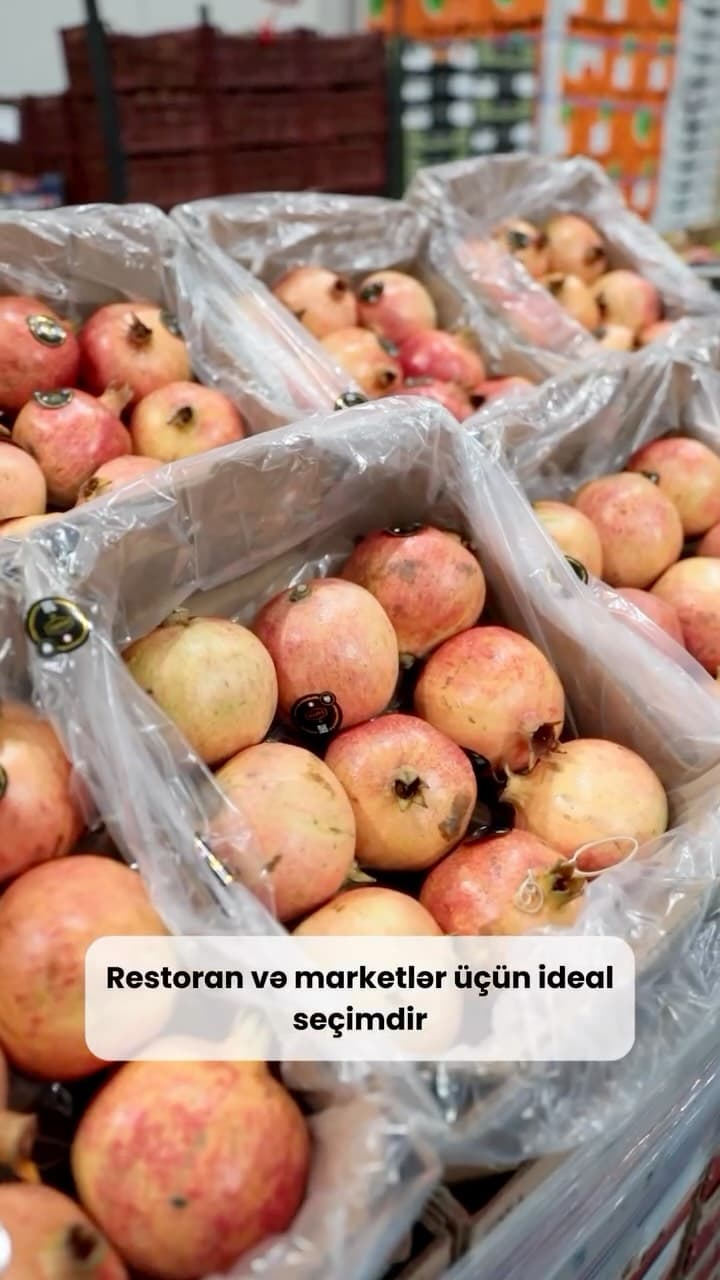
| Pomegranate | fruit size, intact rind | carton box, net sack |
| Potatoes, onions | fraction (large, medium, small), share of undamaged | 25–30 kg net sack, big-bag |
| Tomatoes, cucumbers | calibre and ripeness stage | plastic or carton crate |
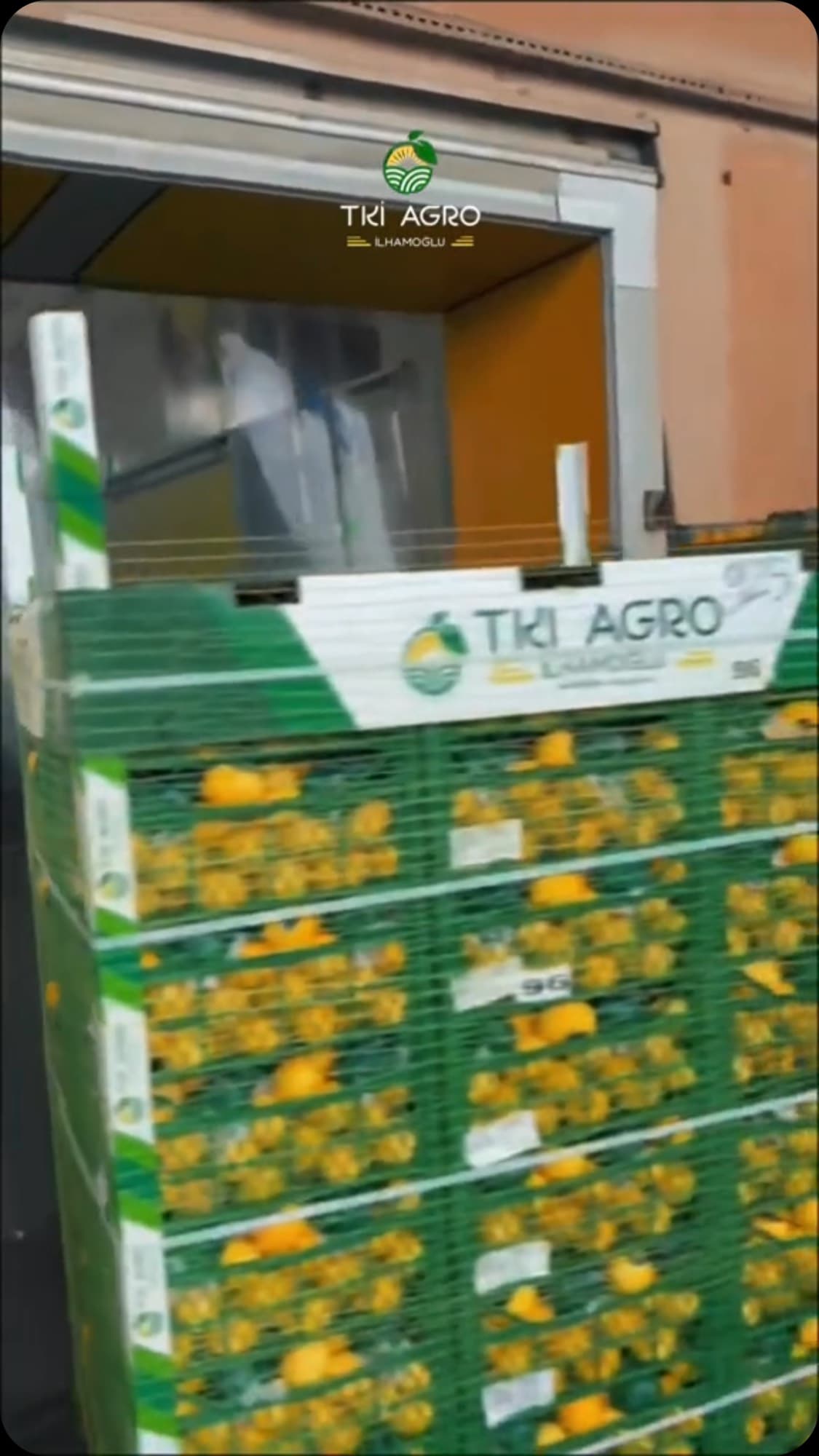
| Lemons, mandarins, oranges | size code number, class | carton box, net |
Last updated:
Hazelnuts are picked from about mid-August into September and dried before sale, so new-crop lots reach the market in early autumn. Pomegranates ripen from late September through November, with the heaviest volumes in October, when fresh export lots and juice processing are both at their busiest.
Both forms are traded. In-shell hazelnuts suit buyers with their own cracking line and are priced per kilogram with the expected kernel yield in mind, while kernels are sold calibrated by size, raw or roasted, in bags or vacuum packs. For either form, ask for aflatoxin and moisture test results from the current crop.
Exporters usually provide a phytosanitary certificate, a certificate of origin, a commercial invoice and a packing list, and some destination markets may also require residue tests or registration of the packhouse. Requirements differ by country and crop, so buyer and seller should confirm the list with the importing side before the truck is loaded.
Greenhouse tomatoes, cucumbers and peppers from Absheron and the southern regions are available through winter and are a common export line. Stored crops such as potatoes, onions, cabbage, carrots and apples are sold from cold stores in the same months, while open-field vegetables return in late spring.
Supermarket chains, greengrocers, restaurants, hotels, school and hospital caterers, juice and canning plants and resellers serving smaller towns all buy produce wholesale in Baku. Most want steady daily or weekly volumes with consistent size and ripeness, which favours suppliers who run their own cold storage.
Fruit for long hauls is graded, packed in ventilated cartons or crates with liners and loaded into refrigerated trucks set to a temperature that suits the fruit. Pomegranates tolerate cold storage well but lose weight and split when handled roughly, so careful sorting at the packhouse matters as much as the truck.
Many packhouses can sort to a requested size range, pack in the buyer's carton or label and apply barcodes, especially for regular fruit and vegetable wholesale orders going abroad. Expect a higher price for tighter grading and confirm the specification, carton design and loading plan in writing before the harvest so the packhouse can plan labour and materials.
Yes, a grower can post a free sale offer with the crop, variety, expected volume, minimum order and location, and buyers contact the grower directly. Watching the buy requests in this subcategory is also worthwhile, because traders and processors post what they need before and during the season.