





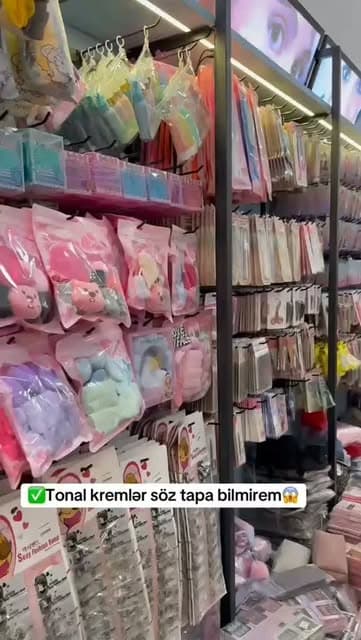
Tonal krem və makiyaj süngərləri çeşidi
WholesaleNegotiable
RetailNegotiable
Min. orderNegotiable
BakuToday, 02:56
WholesaleNegotiable
RetailNegotiable
WholesaleNegotiable
RetailNegotiable
WholesaleNegotiable
RetailNegotiable
WholesaleNegotiable
RetailNegotiable
WholesaleNegotiable
RetailNegotiable

WholesaleNegotiable
RetailNegotiable

WholesaleNegotiable
RetailNegotiable
WholesaleNegotiable
RetailNegotiable
WholesaleNegotiable
RetailNegotiable

WholesaleNegotiable
RetailNegotiable
WholesaleNegotiable
RetailNegotiable

WholesaleNegotiable
RetailNegotiable
Cosmetics wholesale in Azerbaijan starts with importers and distributors who hold full product lines in a Baku warehouse and release them by the carton, the pack or the shade run, while small local producers offer soaps, creams and masks under their own labels. The buyers are cosmetics shops and market stalls, beauty salons and barbershops, nail studios, pharmacies with a care shelf, gift shops, hotels buying guest amenities and online sellers who need steady stock of the same products.
Care products move by the piece, the pack and the carton, while decorative cosmetics are usually sold as a shade run: a lipstick, foundation or eyeshadow line comes with all its shades together rather than as single colours. The minimum order on a product page is written in whichever of those units applies. Price depends on the positioning of the line, the pack size, the remaining shelf life and the volume ordered; stock nearing its expiry date is offered for less and suits fast-moving outlets. Labels should carry the ingredient list, the producer, the batch number, the volume and the period-after-opening symbol. Some cosmetics may require certification or registration before resale, so look through the seller's documents first.
Narrow the products by city, price range and offer type; each product page shows its minimum order in the relevant unit, and the seller's full assortment sits in the store profile in the wholesaler directory. Terms are agreed directly with the seller. A salon or shop that needs a defined product list, shade range and volume should write that into a buy request so suppliers can quote against it.
When taking on a new line, buy one or two pieces of each product and watch them for a week: cream separating, a changed smell or gel polish that stays tacky under the lamp all show quickly. With make-up, weight the first order towards the middle shades of a run and take fewer of the extremes, then let the sell-through decide the next order.
The Cosmetics category covers five groups: face care, hair care, body care and hygiene, decorative cosmetics and nail supplies, plus the small guest sets that hotels and bathhouses order. Each group has its own container type and its own wholesale unit, so a carton price, a shade-run price and a litre price can sit side by side on one page.
Container type also shapes how long a product lasts on the shelf. Pump dispensers and tubes protect contents from air and fingers better than open jars, pencils outlast liquid liners, and gel polish keeps best in dark bottles stored upright. When two similar products differ in price, check the container before you assume one is simply made more cheaply.
| Product group | Usual wholesale unit | Shelf-life note |
|---|---|---|
| Face care (creams, serums, masks) | Piece, pack, carton | Watch the period-after-opening symbol |
| Hair care (shampoo, masks, colour) | Carton; professional sizes by the piece | Colour and developer carry shorter dates |
| Body care and hygiene | Carton | Stable; keep away from heat |
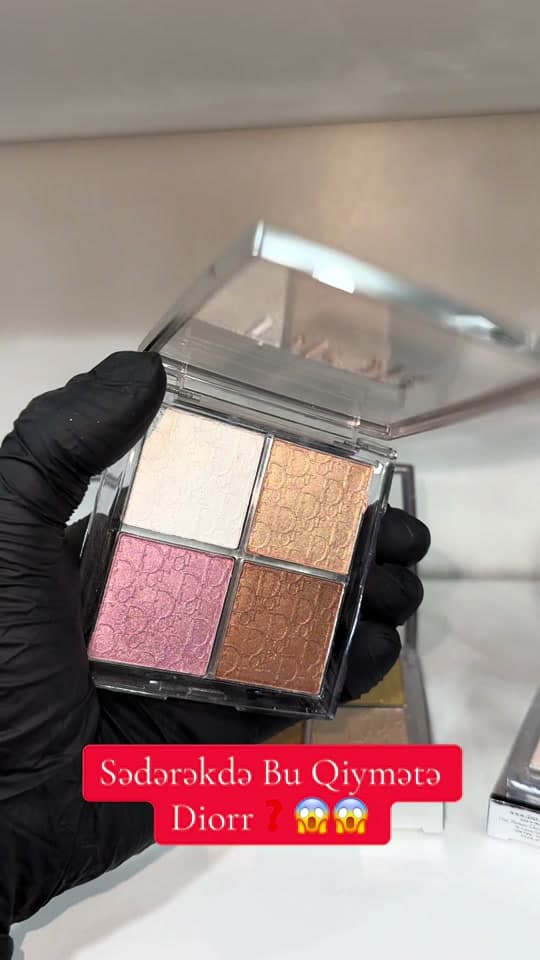
| Decorative cosmetics | Shade run or set | Mascara and liquid liners expire fastest once opened |
| Nail supplies (gel polish, bases, files) | Shade set; pack of disposables | Gel thickens in light; store capped and dark |
Last updated:
A shade run is the full set of colours in which one make-up product is made, and distributors sell it as one unit so that a shop displays the line complete. Lipsticks, foundations and eyeshadows are the usual cases. Some sellers let you reduce or repeat shades after the first order, so ask whether the minimum is a full run or a number of pieces spread across shades.
The ingredient list, the producer's name and address, the batch or lot number, the nominal volume or weight, the expiry date or the period-after-opening symbol, and the directions and warnings for use. Check these on the physical pack rather than on a photo, and compare the batch number with the seller's documents; a missing lot number makes a complaint or a recall impossible to trace.
Some may. Certain product types may require certification or registration before resale, and the requirements differ between a soap, a sunscreen and a hair dye, so ask the seller for the documents that accompany each line and confirm what pharmacies or retail chains among your customers expect. Never rely on a general statement that the goods are cleared; ask to see the papers.
Salons buy professional-size containers of shampoo, masks, hair colour and developer by the carton, and nail studios take gel polish by the set of shades, together with bases, top coats, files and disposables. They reorder often in modest quantities, so the practical questions are whether a supplier can repeat the same products month after month and whether partial cartons are accepted for slow colours.
The positioning of the line, the pack size, the remaining shelf life, the exchange rate at the time of import and the volume ordered. Short-dated stock is offered below the regular carton price, which suits a busy shop but not a slow one. Distributors also tier their prices by order size, so a retailer that groups several lines into one order usually gets a better carton rate than one buying line by line.
In a dry room at a steady, moderate temperature, away from direct sunlight, heaters and frost. Keep products in their outer cartons until they go on the shelf, rotate by expiry date so older batches sell first, and store aerosols and alcohol-based products away from heat sources. Creams that have frozen or overheated separate and are unsellable even when the date is still fine.
Yes, local makers of soaps, creams, masks, hair oils and shower gels post sell offers here alongside the importers, and shops looking for a natural or handmade line browse those products. State the batch size you can supply, the shelf life, the ingredient list and whether labels can carry a buyer's own name; finished own-label products may require certification, so say which documents you hold.
Fewer, but yes: distributors in Ganja and Sumgayit and regional sub-dealers serve shops and salons in their districts, and Baku distributors often run routes to the regions. Filter this page by city to see who is close to you, and compare the carton price with the transport you would pay to bring stock from the capital, which you arrange with the seller.
There is no fixed figure; each seller sets its own, and the product page shows it in the unit used for that product, whether pieces, packs, cartons or shade runs. Distributors holding a full line tend to accept an order spread across several products, while importers selling straight from a shipment prefer full cartons per item. Confirm how the number is counted before you plan an order.
Open each seller's store profile from the product page to see the city, the description and every product the company lists, which shows whether it holds a full line or only a few products. Then compare the minimum order and the unit on each product page, ask for the documents and a sample, and use the Saved list to keep your shortlist in one place while you decide.