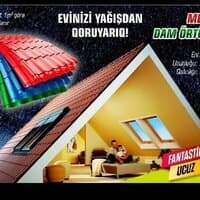
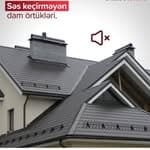









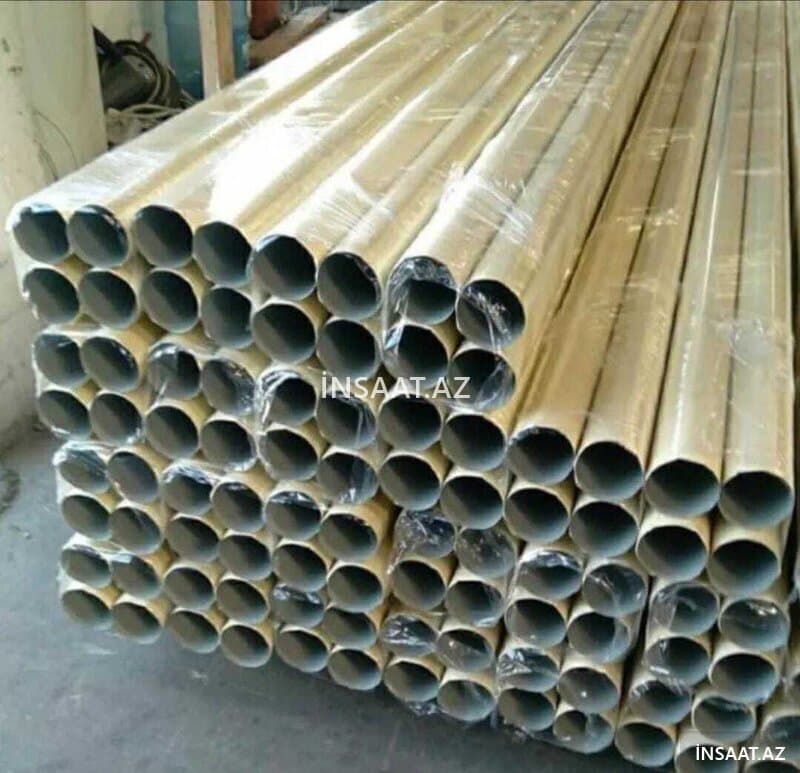
Metal lambrin, dam və fasad üçün
WholesaleNegotiable
RetailNegotiable
Min. orderNegotiable
BakuToday, 02:29
WholesaleNegotiable
RetailNegotiable
WholesaleNegotiable
RetailNegotiable
WholesaleNegotiable
RetailNegotiable
WholesaleNegotiable
RetailNegotiable
WholesaleNegotiable
RetailNegotiable
WholesaleNegotiable
RetailNegotiable
WholesaleNegotiable
RetailNegotiable
WholesaleNegotiable
RetailNegotiable
WholesaleNegotiable
RetailNegotiable

WholesaleNegotiable
RetailNegotiable
WholesaleNegotiable
RetailNegotiable
WholesaleNegotiable
RetailNegotiable
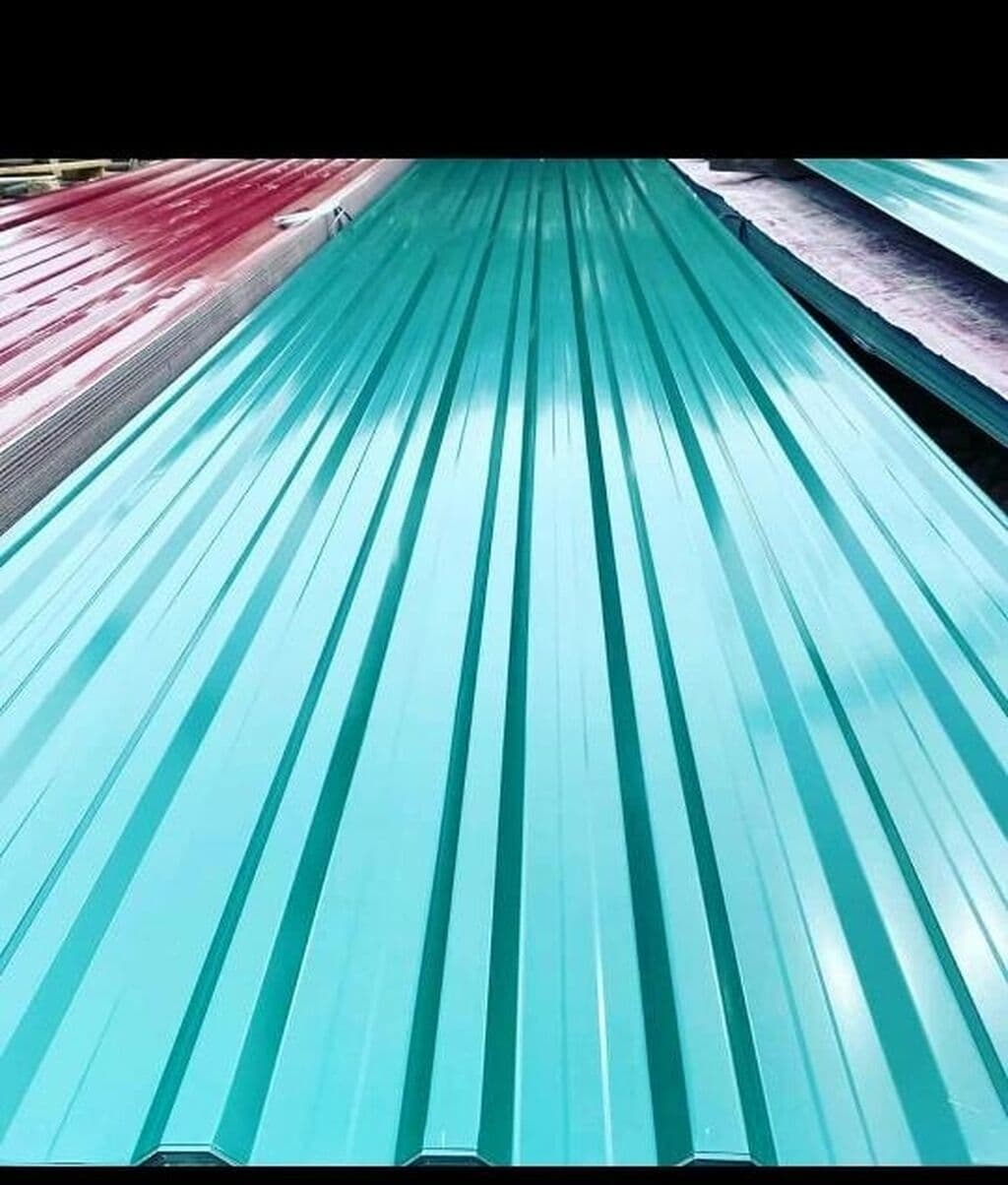
Roofing wholesale in Azerbaijan splits into two supply chains. Roll-forming workshops make profiled sheet, metal tile and standing-seam cover from coiled steel and cut it to the length of each roof, while distributors import ceramic and bitumen shingles, membranes and polycarbonate and keep them in regional depots. Buyers are contractors building private houses and dachas, firms putting up warehouses and farm buildings, roofing crews and building-material shops.
Sheet and metal tile are sold by length in metres or by the cut piece, ceramic and cement-sand tile by the piece or the pallet, and bitumen shingles by the pack. Price is driven by steel thickness, the zinc layer, the type of polymer coating, profile height and colour, which is why two sheets that look alike can differ widely in cost. Roofing work runs mainly from spring to autumn, so workshops can have queues in summer. Ask for the certificate that states steel thickness and coating class before confirming an order.
The city filter helps locate the nearest roll-forming workshop, which matters because long sheets are awkward to move and easy to dent. Each product page states the minimum order in metres, pieces or packs, and the price range filter narrows the list to the covering that fits the budget. You can also post a buy request giving the roof area and the lengths of the slopes.
Climate belongs in the brief. Strong wind and salty air on the Absheron peninsula load the fixing system and the polymer layer, and foothill districts such as Quba, Qusar, Sheki and Zaqatala must allow for snow, which may call for thicker sheet and closer supports. Tell the seller where the building stands.
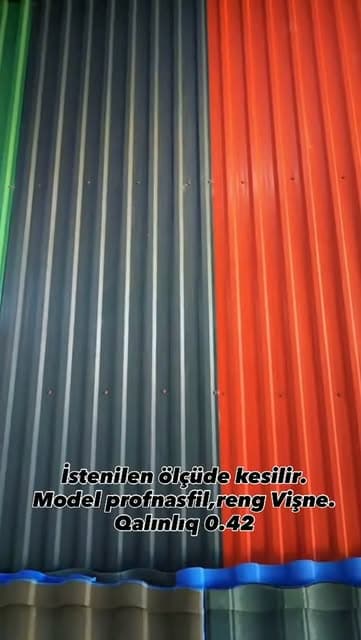
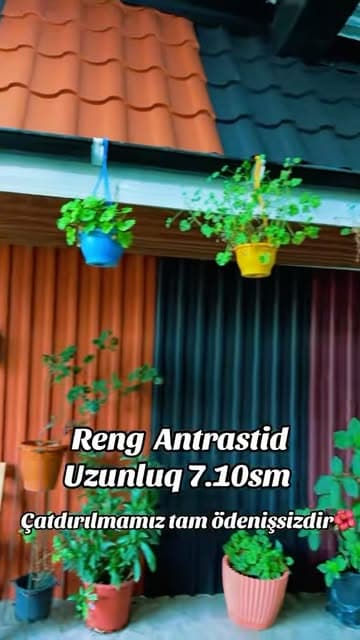
Metal roofing is specified by a handful of figures and one coating description, and all of them are printed on the manufacturer's passport or stamped on the back of the sheet. Steel thickness gives rigidity under foot and snow, the zinc layer protects the cut edges and the underside, and the polymer coating decides colour retention and resistance to salty air.
Effective width is the part of a sheet that stays visible once neighbouring sheets overlap, so it is always narrower than the overall width, and it is the figure to use when calculating how many sheets a roof needs. The table sets out what each specification describes and where a buyer can verify it.
| Specification | What it describes | Where to verify |
|---|---|---|
| Steel thickness | rigidity and dent resistance | passport; measured on a sample with a micrometer |
| Zinc layer | corrosion protection under the paint | passport; coating class in the certificate |
| Polymer coating | colour retention, weather and salt resistance | passport; colour code on the back |
| Profile height | stiffness across the span, water drainage | product card; the sample sheet |
| Effective width | coverage per sheet after overlap | product card; compare with the overall width |
Last updated:
It depends on the seller and the product: profiled sheet and metal tile are often priced per metre of length or per cut sheet, while some suppliers quote per square metre. To compare offers, convert them to the same basis using the effective width of the sheet and the roof area. Ask the seller to confirm whether the quoted price includes cutting to length and accessories.
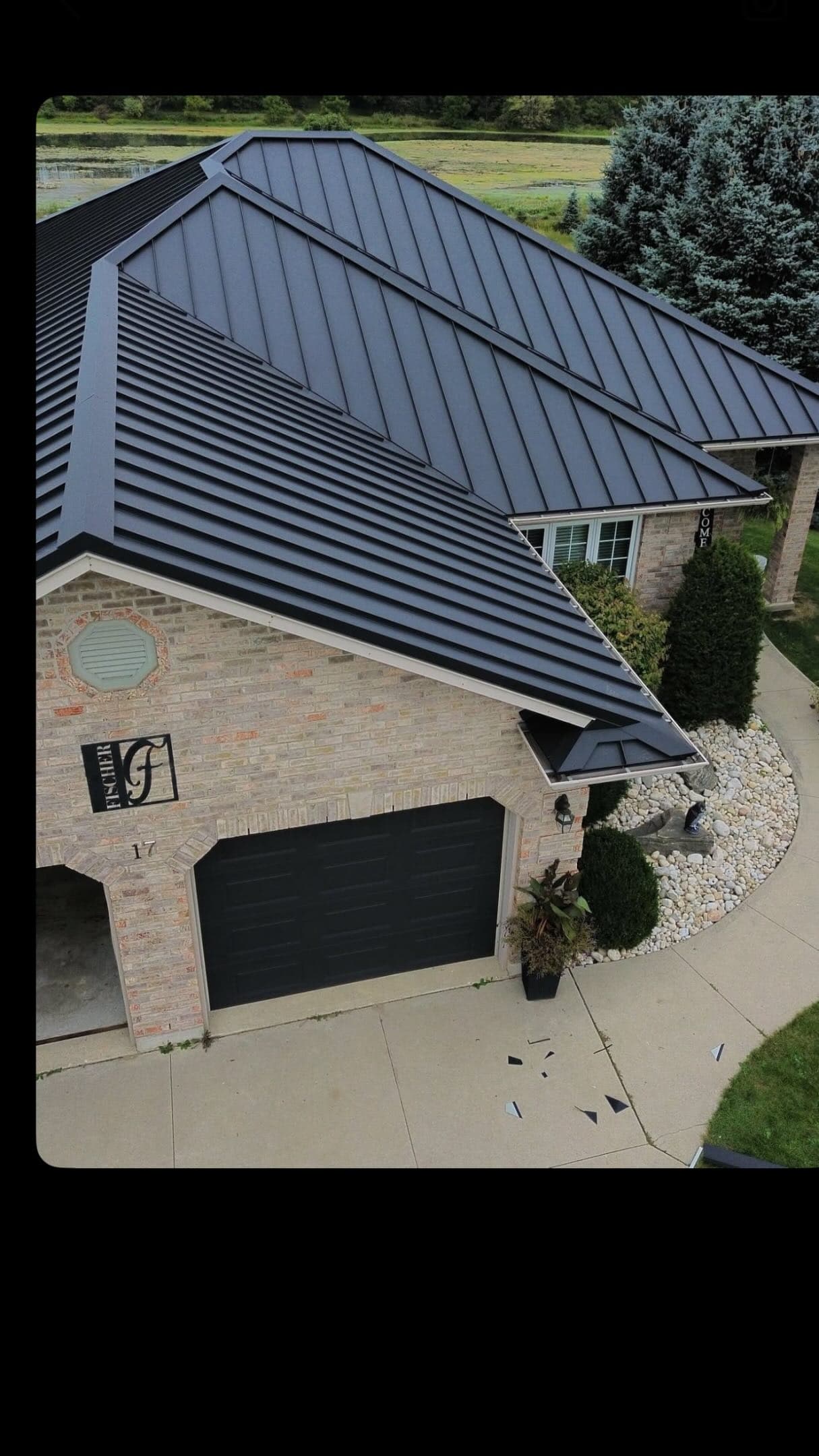
Standing-seam roofing is made of flat strips whose edges are folded together into a raised seam, which hides the fixings and gives a smooth, tight surface, while profiled sheet is corrugated and screwed through the face. Seam roofing suits complex shapes and low pitches but needs skilled installers; profiled sheet is simpler and quicker to lay.
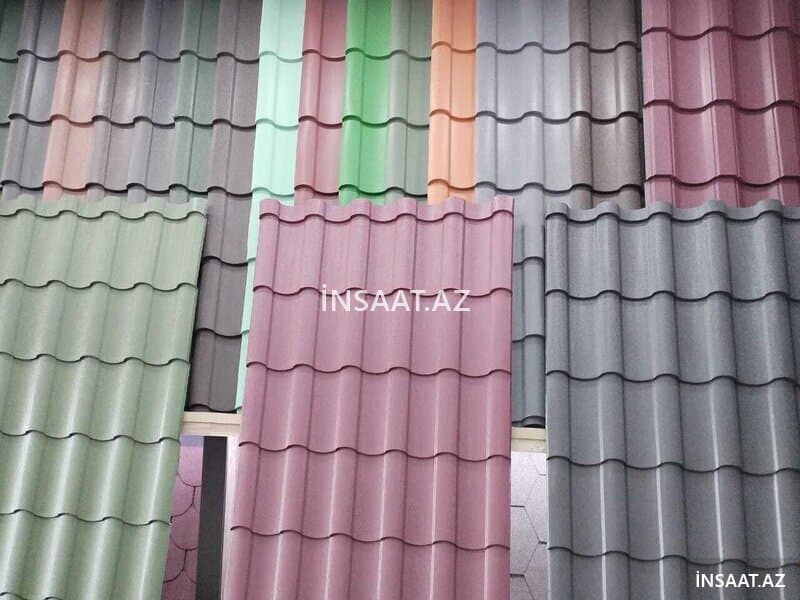
Clay and cement-sand tile suit owners who want a heavy, traditional roof and whose rafters are designed for the load. Tile is laid piece by piece, so labour takes longer than with sheet, and it is bought by the piece or the pallet. Metal is lighter and faster to install, which makes it the usual choice for warehouses and farm buildings.
Read the manufacturer's passport and the stamp on the back, which state the steel thickness, zinc layer and polymer coating, then measure the thickness of a sample with a micrometer. Look at cut edges and bends for cracking paint, check that the colour is even and that the protective film peels off cleanly. Ask for the certificate together with the order.
Roll-forming workshops often set the minimum as a total length in metres or a number of sheets, and it is shown on the product page. Because every sheet is cut to the measurements of the roof, send a sketch with slope lengths before ordering, as cut sheets are hard to resell. Agree the length tolerance in writing.
In most cases yes, because the membrane and the covering work as one system and are best specified together. Underlay and vapour barrier protect the roof structure from condensation and leaks, and buying them with the covering lets you match widths, fixing method and delivery date. Ask the seller which membrane suits the covering you have chosen.
Carry sheets on edge or flat on supports along their whole length, and keep them on a level pallet or bearers off the ground. Do not drag one sheet over another, since it scratches the coating. Leave the protective film on until fixing is finished, because long exposure to sun can make it hard to remove, and cover stacks against rain.
Polycarbonate sheets are used where daylight is needed: greenhouses, canopies, carports, covered walkways and skylight strips in warehouse roofs. Cellular sheet is light and insulating, while solid sheet is clearer. Check which face carries the UV protection, usually marked on the film, and ask the seller about permitted spans.
Yes, location matters. Exposed and coastal sites need a strong fixing pattern and a durable polymer coating against wind and salty air, while snowy foothill districts may need thicker sheet and closer supports. Tell the seller where the building stands and the pitch of the roof before you choose a covering.
State the roof area or the slope lengths, the covering type, steel thickness, colour, the number of sheets or metres and the city where the goods are needed. The more exact the request, the easier it is for suppliers to quote. Posting is free, and sellers contact you directly.