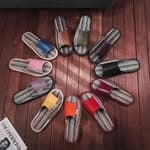










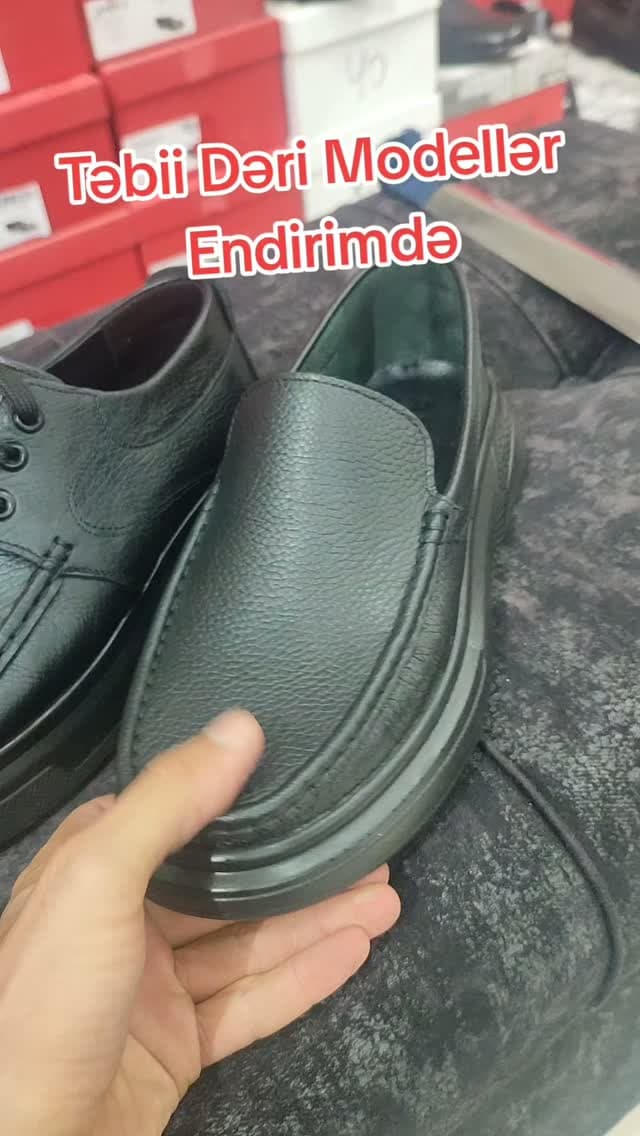
Plastik Ayaqqabı
WholesaleNegotiable
Retail21 manat
Min. orderNegotiable
BakuToday, 02:31
WholesaleNegotiable
Retail21 manat
WholesaleNegotiable
RetailNegotiable
WholesaleNegotiable
RetailNegotiable
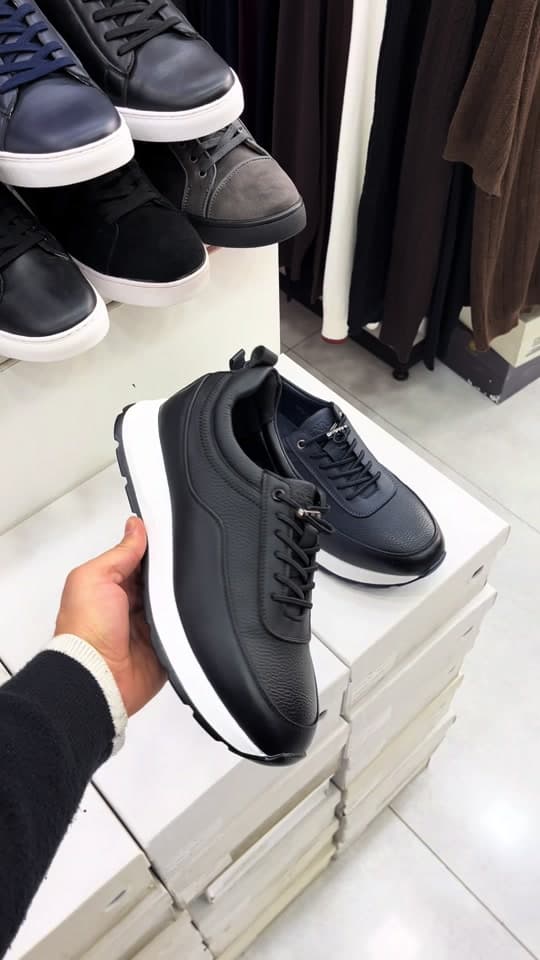
WholesaleNegotiable
RetailNegotiable
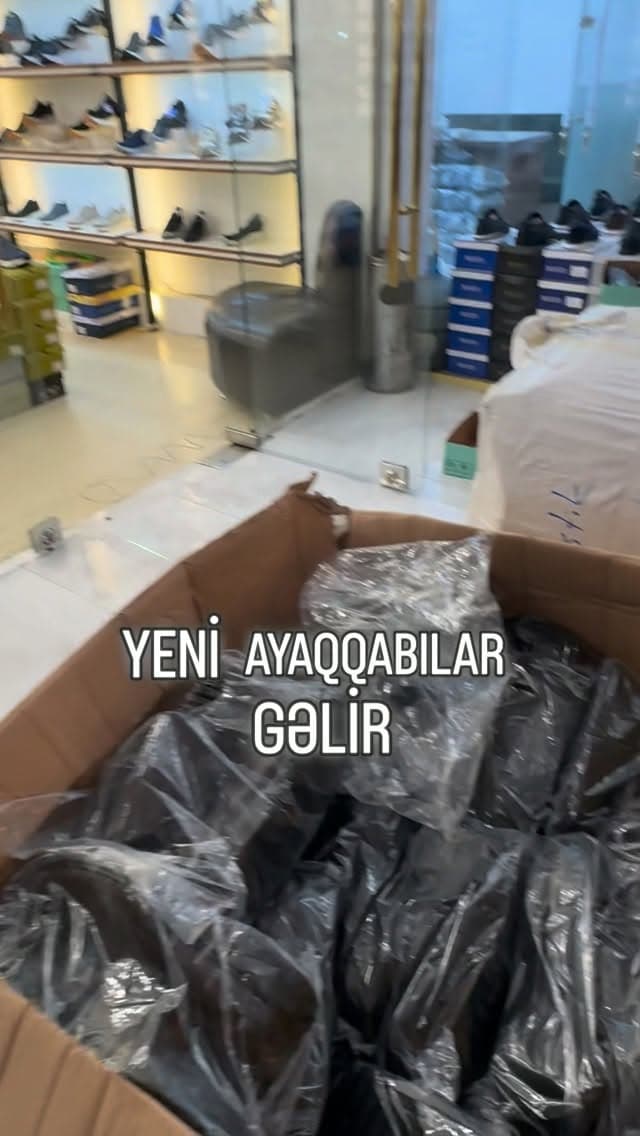
WholesaleNegotiable
RetailNegotiable
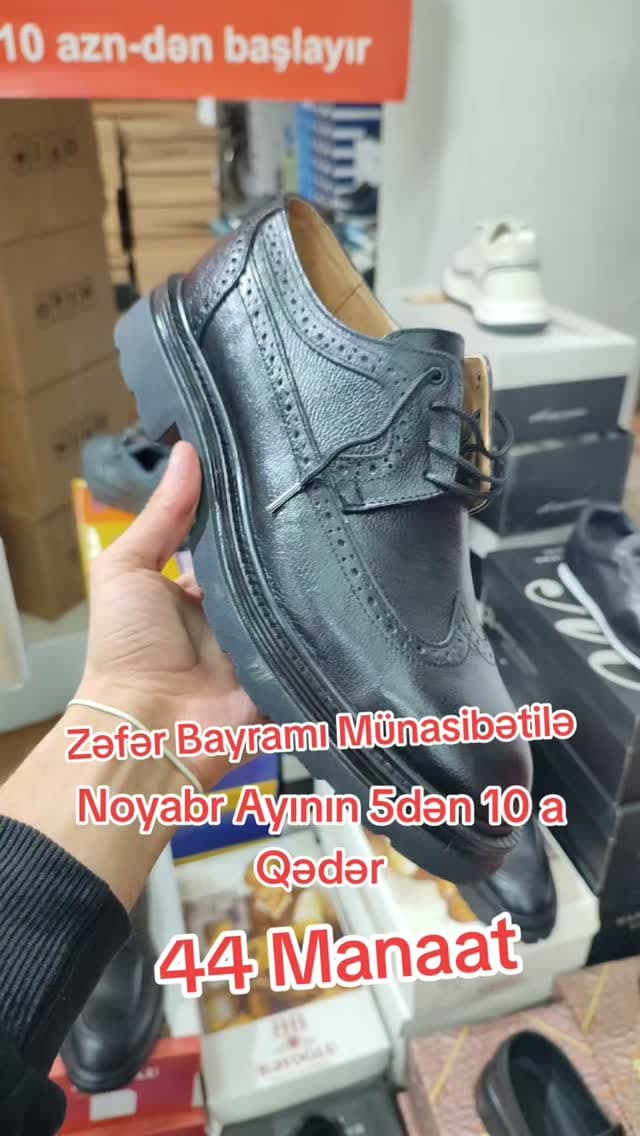
WholesaleNegotiable
RetailNegotiable
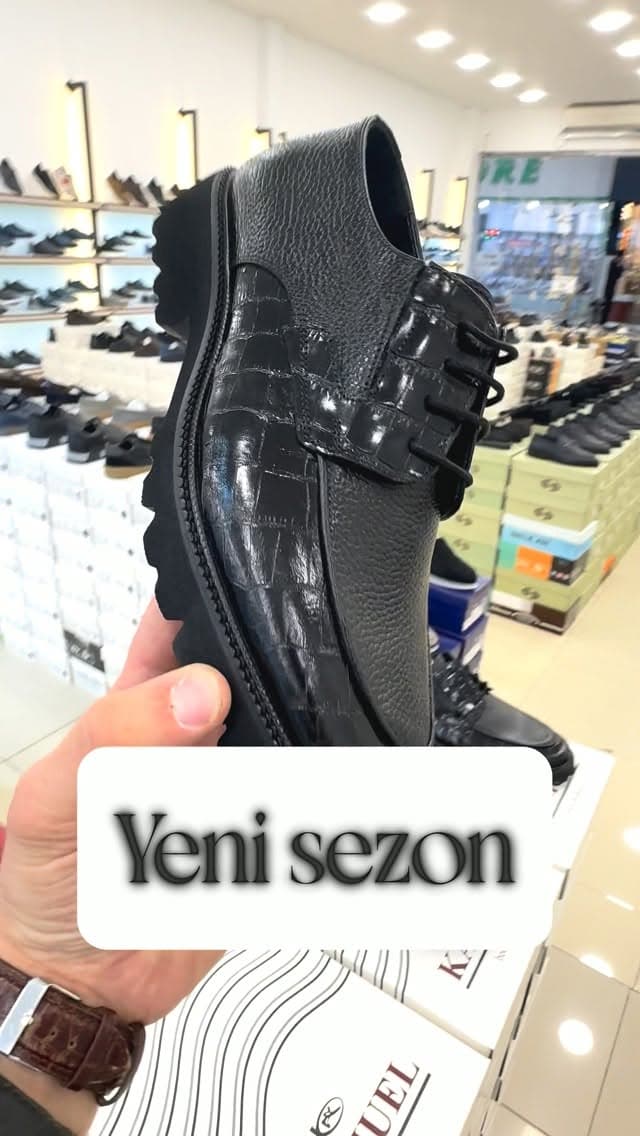
WholesaleNegotiable
RetailNegotiable
WholesaleNegotiable
RetailNegotiable
WholesaleNegotiable
RetailNegotiable
WholesaleNegotiable
RetailNegotiable
WholesaleNegotiable
RetailNegotiable
WholesaleNegotiable
RetailNegotiable
Footwear wholesale in Azerbaijan brings together importers and distributors, who bring shoes in by the container and split them into cartons for resellers, and smaller local workshops that add slippers, house shoes and made-to-order pairs. Buyers are shoe shops and boutiques in shopping centres, market traders in Baku and regional towns, online sellers, school-uniform suppliers and companies that equip staff with kitchen, hotel or safety footwear.
Shoes are priced by the pair but shipped in cartons packed as a size run: a fixed number of pairs spread across neighbouring sizes of one model and colour. Product pages therefore state the minimum order in cartons or pairs per model. Sizes are normally printed in European numbers, the Paris point system, although some imported stock carries US, UK or foot-length markings, so ask for a conversion chart. Price follows the upper material, the sole, the way the sole is attached and how current the model is. Spring and autumn collections are ordered ahead of the season, sandals and slippers before summer, boots from late summer.
Use the city filter to compare stock held in Baku with offers from Ganja or Sumgait, set a price range per pair and sort by the newest products to catch fresh arrivals. Each product page shows the minimum order with its unit, and sellers who also allow retail purchase show a single-pair price, a low-risk way to test a model. Contact the supplier directly, or post a buy request that names the style, size range and number of pairs.
Before ordering a full lot, take one pair out of the carton, flex the sole, look inside for rough seams and check that the left and right shoe match the size on the label. Ask for the actual size run in writing, because a carton weighted towards sizes your customers rarely wear will sit on the shelf.
A shoe label states three materials, usually as pictograms: the upper, the lining with the insole, and the outsole. Leather, textile and other materials each have their own symbol, and the pictogram, not the seller's description, is what a customer will read in the shop.
Sole material decides the use: rubber and polyurethane grip in wet weather, while EVA and similar foams keep slippers and summer sandals light. Whether the sole is glued, stitched or moulded to the upper affects how a pair ages. The table lists the parts of a shoe and what a wholesale buyer checks on each of them.
| Part of the shoe | Common materials | What to check |
|---|---|---|
| Upper | leather, textile, coated synthetic | pictogram on the label; stitching and edges |
| Lining and insole | leather, textile, synthetic | pictogram; odour; whether the insole is loose or glued |
| Outsole | rubber, polyurethane, EVA, PVC | flex at the ball of the foot; tread depth |
| Sole attachment | glued, stitched, moulded | gaps or glue marks along the join |
| Size marking | Paris points, US, UK or foot length | stamp inside the shoe or on the insole; conversion chart |
Last updated:
A size run is the set of sizes packed together in one carton, usually neighbouring sizes of a single model and colour with more pairs in the middle sizes than at the ends. Suppliers publish the run so a shop knows which sizes it will receive. Ask for the full run in writing before ordering, because a carton weighted towards sizes your customers rarely wear will be slow to sell.
The minimum is set by each seller and shown on the product page in cartons or pairs per model, so there is no single figure to quote. Importers tend to sell whole cartons, while smaller workshops may sell a few pairs per model. If a supplier also allows retail purchase, a single-pair price lets you test a model before you commit to a carton.
Most stock is marked in European numbers, the Paris point system, where one point equals two thirds of a centimetre of shoe length. US, UK and foot-length markings also circulate, so ask the supplier for a conversion chart and measure a sample pair. Do not convert from memory, because charts differ between producers.
Read the pictograms on the label or insole, which state the material of the upper, the lining and the outsole, and compare them with the product page. Leather is usually shown by a hide-shaped symbol, textile by a woven pattern and other materials by a diamond symbol. If the description is vague, ask the supplier to confirm each material in writing.
Rubber and polyurethane soles grip better on wet or cold surfaces and suit boots, while EVA and other light foams suit sandals and slippers. Flex a sample at the ball of the foot to see whether the sole is supple or brittle. Ask also whether the sole is stitched, glued or moulded to the upper, since this affects how long the pair lasts.
Shops order a season ahead: spring and autumn collections a month or two before the weather turns, sandals and slippers before summer, and boots from late summer. School shoes sell mainly before the new school year. Ordering early gives a fuller size run, since popular sizes of a model sell out first and are hard to restock mid-season.
Keep cartons dry, off the floor and away from direct heat or sunlight, which can soften adhesives and fade colours. Stack them no higher than the carton strength allows, because crushed boxes deform soft shoes. In transport, protect cartons from rain and keep leather and light-coloured pairs away from anything that can stain them.
Some workshops accept custom orders, but it depends on the seller, so ask in your enquiry. Prepare a clear brief with the model, materials, size range, number of pairs, packaging and logo placement, and request a sample before approving a run. Ask also about the minimum run and lead time, since both are agreed individually and are not shown on the category page.
Ask the supplier for an invoice and a packing list that describe the shoes by type and material, and for any certificates that apply to the product. Requirements depend on the goods and the destination, so confirm them with the supplier and, for imports, with a customs broker. Keep the documents together with the batch details.
Sign up as a buyer or wholesaler, choose the buy request type and place the request in the Footwear category with the models, size range, quantity and city. Posting is free, and sellers who see it contact you directly, since the platform does not take part in the deal or the delivery.