







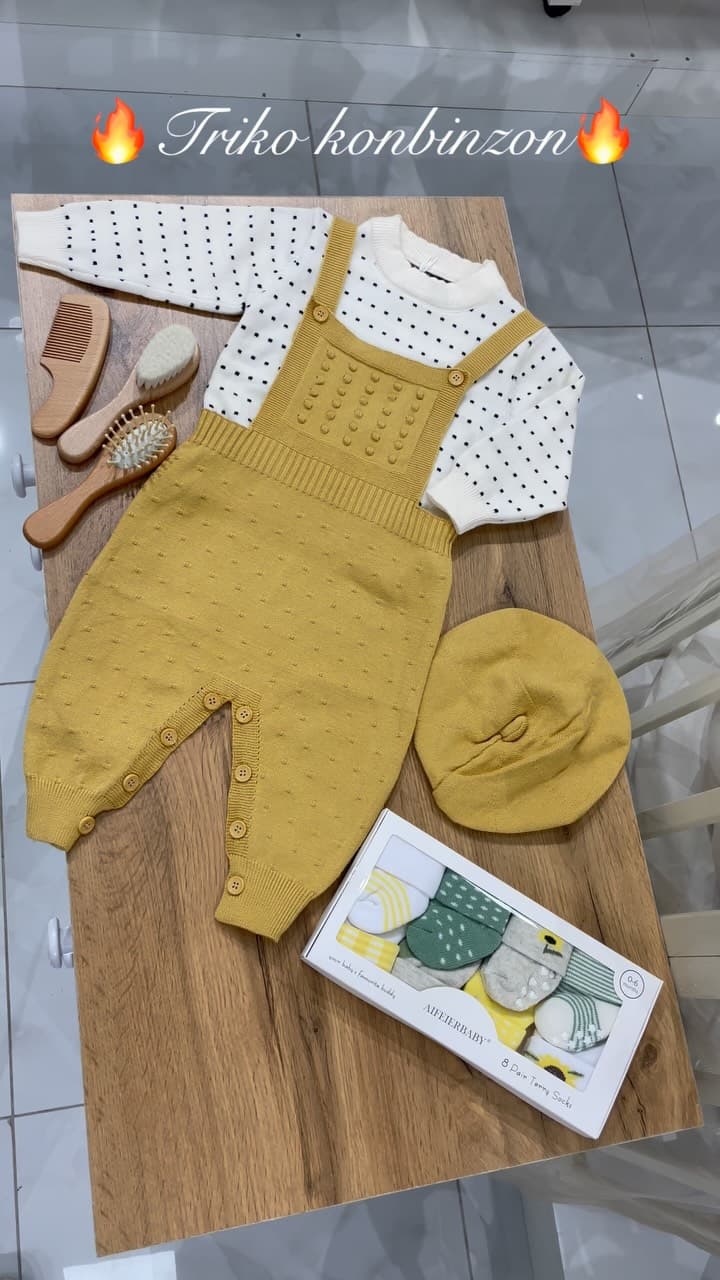
Körpə triko kombinezonu, xardal rəngli
WholesaleNegotiable
RetailNegotiable
Min. orderNegotiable
BakuToday, 02:21
WholesaleNegotiable
RetailNegotiable
WholesaleNegotiable
RetailNegotiable
WholesaleNegotiable
RetailNegotiable
WholesaleNegotiable
RetailNegotiable
WholesaleNegotiable
RetailNegotiable
WholesaleNegotiable
RetailNegotiable
WholesaleNegotiable
RetailNegotiable
WholesaleNegotiable
RetailNegotiable
WholesaleNegotiable
RetailNegotiable
WholesaleNegotiable
RetailNegotiable
WholesaleNegotiable
RetailNegotiable
WholesaleNegotiable
RetailNegotiable
Children's clothing wholesale in Azerbaijan serves a steady market: families buy new sizes every season, and the school year brings a predictable spike. Supply comes from Baku importers of babywear and everyday clothes, local knitwear producers of cotton sets, and workshops that sew school uniforms in the colours schools specify. Buyers are children's clothing stores, baby shops, school-uniform sellers, online shops and kindergartens ordering matching sets.
Sizes are labelled by age, by height in centimetres or, for babies, by months, and a pack usually spans several neighbouring sizes of one model. Price follows the fabric, since combed cotton and interlock cost more than blends, then prints and appliqué, and the size range, because larger sizes use more cloth. School uniforms sell from July into early September, warm overalls from October and light cotton sets in spring. For babywear wholesale, ask for soft flat seams, nickel-free snaps and dyes suitable for skin contact.
Narrow products by city, set a price range per piece and sort by price or by the newest arrivals. Each product page shows the minimum order with its unit, so a shop can see whether a supplier sells single packs or only larger lots, and some sellers add a retail price for testing. Contact children's clothing suppliers in Azerbaijan directly, or post a buy request for uniforms in a given colour and size range well before the school season.
Children's garments may need safety or conformity documents depending on where you sell them, especially babywear and items with small parts, cords or drawstrings; ask which tests the fabric and accessories have passed and file copies with your invoices.
Children's clothing is sized by height in centimetres, from 56 up to 164, and the age on a label is only a guide, since children of the same age can differ by a size or two. Wholesale runs are therefore built in height steps of six centimetres: 56–86 for babies, 92–122 for kindergarten age and 128–164 for schoolchildren. A shop that keeps a height-to-age chart by the till serves parents faster.
The label should also give composition, care symbols and the maker. On babywear a label printed on the fabric or sewn on the outside avoids rubbing, and buttons, snaps and appliqués must be firmly fixed, so pull a few on receipt. The table matches height to the usual age; where the manufacturer supplies its own chart, follow it.
| Height (cm) | Approximate age |
|---|---|
| 56–68 | 0–6 months |
| 74–86 | 6–18 months |
| 92–104 | 2–4 years |
| 110–122 | 5–7 years |
| 128–146 | 8–11 years |
| 152–164 | 12–14 years |
Last updated:
Packs usually cover a block of neighbouring sizes of one model, for example ages two to five or heights in centimetre steps, with one piece per size. Ask for the exact size list and garment measurements, because labelling by age differs from one producer to another.
In children's clothing wholesale the minimum is set per model, typically one or more full size packs, and the product page shows the quantity with its unit, which helps when buying kids' clothes in bulk across several models. School-uniform workshops often ask for a larger minimum per colour, since they cut each colour separately.
Place uniform orders in spring or early summer, because workshops are fully booked in July and August when shops restock for the new school year. Late orders risk missing sizes, especially at both ends of the size range, and leave no time to fix fitting problems.
Fabric and fastenings come first: babywear should be soft cotton or cotton-rich knit with flat seams, secure nickel-free snaps and no loose decorations or long cords. Test or conformity documents may be required for babywear in your market, so check the seller's papers before you buy.
Cotton jersey, interlock and French terry suit everyday sets because they breathe, stretch and survive frequent washing, while denim and twill work for trousers for older children. Ask for the fabric weight and whether the cotton is combed, since thin open-end cotton pills and loses its shape quickly.
Larger sizes usually cost more because they use more fabric, so a supplier may quote one price for small sizes and another for bigger ones, or average them across the pack. Check which way the product price is calculated before you compare suppliers of wholesale children's wear in Baku.
Yes, Baku shops tend to buy frequent smaller lots and follow trends, while regional shops in towns such as Shirvan, Quba or Zaqatala often place larger mixed orders before the school year and the winter. Suppliers outside Baku may also offer locally knitted basics with shorter transport to nearby towns.
Order by height, not by age, and build the order around the middle of each height band, because children grow quickly and parents often buy one size up for the cold months. Winter outerwear is usually bought slightly larger than summer sets. Ask the supplier for the size chart in centimetres and check one sample piece against it.