









Yolumuz Qarabağ
WholesaleNegotiable
RetailNegotiable
Min. orderNegotiable
BakuToday, 00:53
WholesaleNegotiable
RetailNegotiable
WholesaleNegotiable
RetailNegotiable
WholesaleNegotiable
RetailNegotiable
WholesaleNegotiable
RetailNegotiable

WholesaleNegotiable
RetailNegotiable
WholesaleNegotiable
RetailNegotiable
WholesaleNegotiable
RetailNegotiable
WholesaleNegotiable
RetailNegotiable
WholesaleNegotiable
RetailNegotiable
WholesaleNegotiable
RetailNegotiable
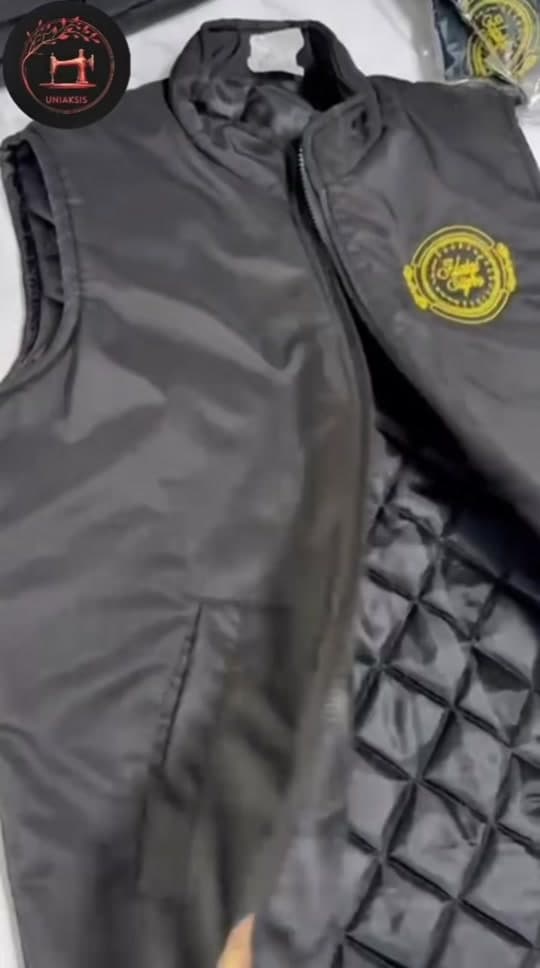
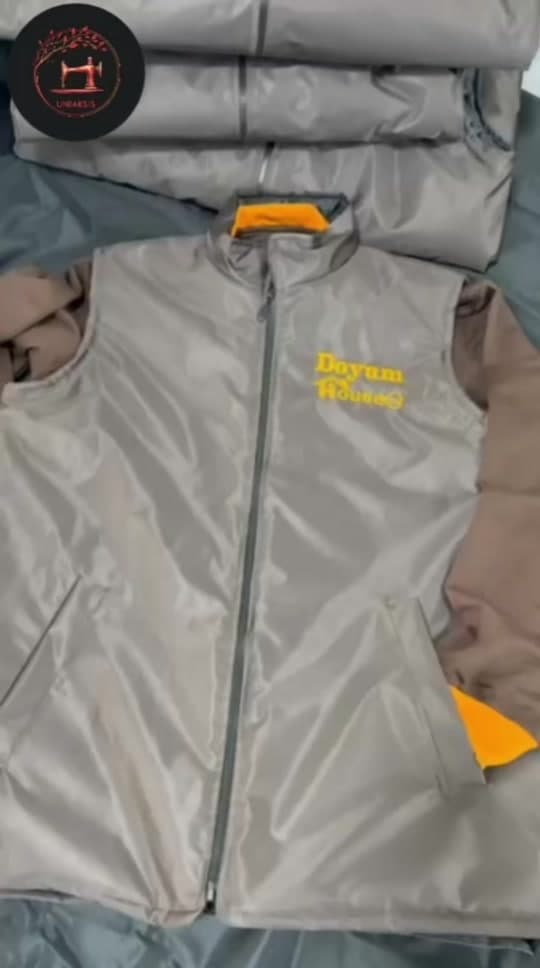
Workwear wholesale in Azerbaijan follows the country's industries. Oil and gas service, construction, metalwork and logistics need overalls, insulated jackets, hi-vis workwear and flame-retardant clothing; hotels, restaurants and caterers order chef jackets, aprons and waiter uniforms; clinics buy scrubs and lab coats; and security, cleaning and retail companies dress staff in branded shirts and trousers. Supply comes from local sewing workshops that cut to order and from importers and PPE clothing suppliers holding stock of standard protective garments.
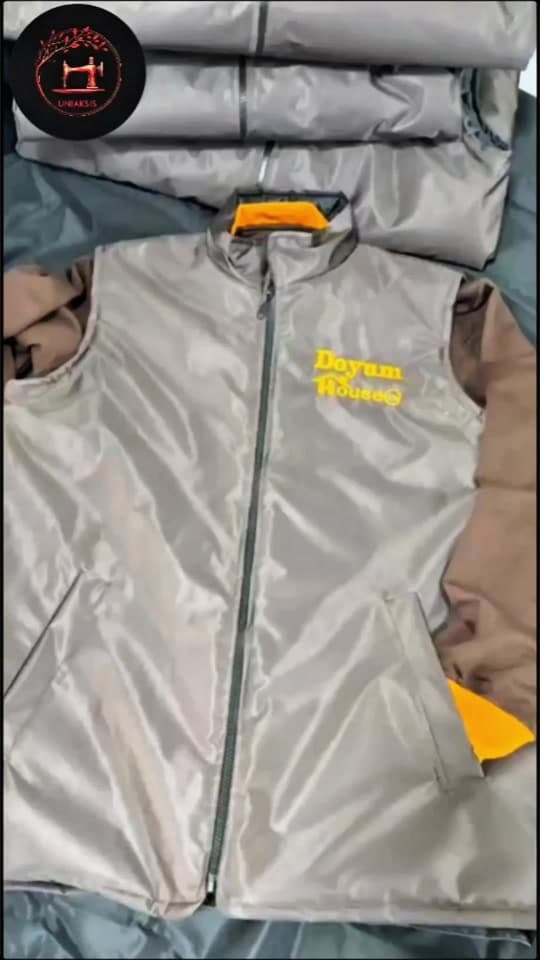
Workwear is sold by the piece, and larger orders are built from a staff size list rather than a standard pack. The price follows the fabric, such as polyester-cotton twill, canvas or treated flame-retardant cloth, the reflective tape, the number of pockets and reinforcements, and branding by embroidery or print. Insulated sets are ordered before winter, while hotels renew uniforms before the tourist season. Protective clothing may need conformity documents or a declared protection class, so ask the supplier for them and check what applies on your site.
Filter by city to find workshops close to your site, in Baku, Sumgait or Ganja, set a price range per piece and sort by price. Each product page shows the minimum order and its unit, and sizes, colours and logo placement are discussed with the seller directly. For a tender or a fit-out of corporate uniforms in Baku, post a buy request listing garments, fabric, quantities by size and the branding you need.
Collect a size list per employee before ordering uniforms in bulk, and add a small reserve in the sizes your team wears most: replacements for new staff then come from stock rather than from a second minimum order.
Women's workwear is not a scaled-down men's uniform. It has its own size chart, usually 40 to 54, a different cut and its own models: coats, tunics, chef jackets, medical suits and service vests. A company with mixed staff therefore orders from two size lists. Uniform sizes are marked as a body-and-height pair, for example 48–50 / 170–176, and fabric weight is quoted in grams per square metre, lighter for summer and heavier for winter and building work.
The width and position of reflective tape decide visibility; if a protection class is required, it should be confirmed by documents, so ask the seller for them. Wash resistance appears on the care label as a temperature, and for uniforms that are laundered often it matters as much as appearance. The table collects four checks and where each is written.
| Check | Typical entry | Where to verify |
|---|---|---|
| Fabric weight | about 200–260 g/m² for winter and building, 150–200 g/m² for summer | maker's passport; label |
| Size marking | body-and-height pair such as 48–50 / 170–176; women 40–54 | neck label; size chart |
| Reflective tape | 25 or 50 mm wide, vertical and horizontal bands | product card; sample set |
| Washing | 40–60 °C, industrial laundering allowed | care label |
Last updated:
For workwear wholesale in Azerbaijan, local workshops usually set a minimum per model and colour because each colour is cut separately, and adding a logo raises the threshold further. Importers holding stock of standard overalls and hi-vis vests may sell smaller quantities by the piece, as the minimum order on their product page shows.
Ask for the protection class or standard declared for the garment, test reports for the fabric and reflective tape, and care instructions that keep the protection valid after washing. Requirements differ by industry and employer, so check what your site or client demands before the order is placed.
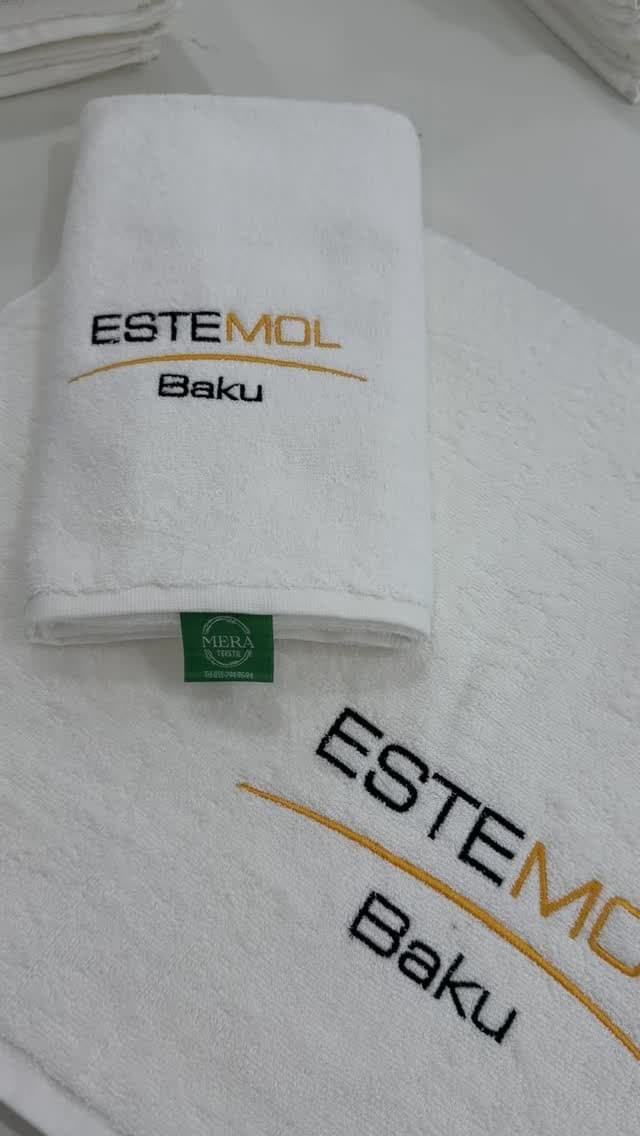
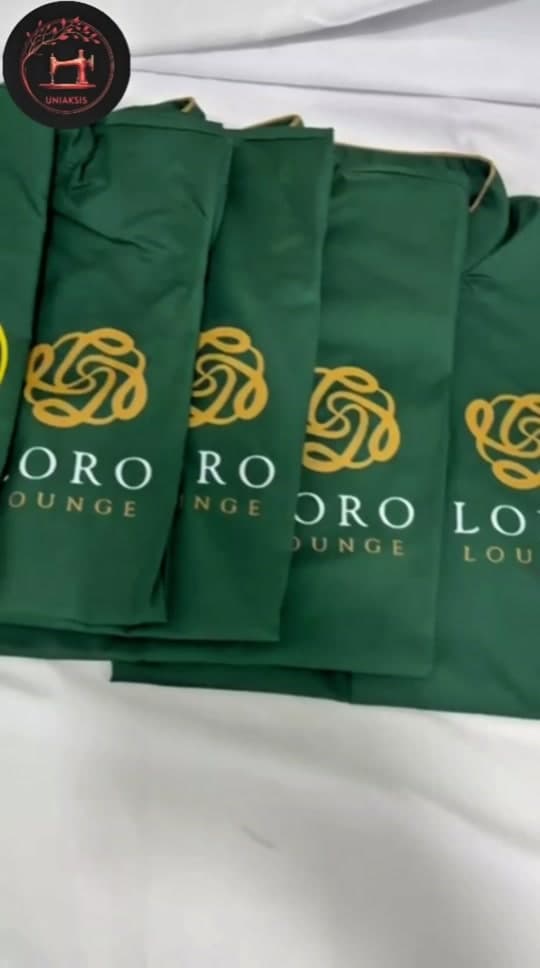
Yes, workwear workshops add logos by embroidery, screen print or heat transfer, and embroidery usually lasts longer under industrial washing. Approve placement and colours on a sample, and agree whether the logo is charged per piece or as a one-off set-up.
Collect each employee's size, or run a fitting with a sample size set, then order by size list rather than by standard packs. Workwear is cut looser than fashion clothing, so compare the supplier's chart with body measurements rather than with the size on everyday clothes.
Polyester-cotton blends are the practical choice for kitchens, housekeeping and medical scrubs wholesale orders, because they survive hot washes and keep their colour, while pure cotton is cooler but creases and shrinks. For chef jackets, ask for the fabric weight and whether press studs or buttons can be removed for laundering.
Prices are fairly stable, but insulated jackets and thermal overalls get dearer and scarcer as winter approaches, and fabric costs move with imported raw materials and the exchange rate against AZN. Ordering seasonal items in summer and keeping a reserve stock avoids paying premium rates in November.
Baku offers a broad choice of ready stock and branding services, which suits urgent and mixed orders, while workshops in Sumgait, Ganja or other towns can be competitive for long runs of a single model. For sites in the regions, a nearby workshop also makes fittings and replacements easier.
State the garment colour, the width of the reflective tape and where it must sit, and the protection class if your site requires one. Ask the seller to confirm the class with documents rather than relying on the product description, and request one sample jacket to check the tape placement against your work. Note also whether the garment will be machine-washed often, since that affects the durability of the tape.