
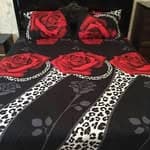
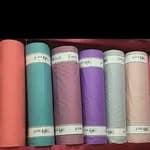









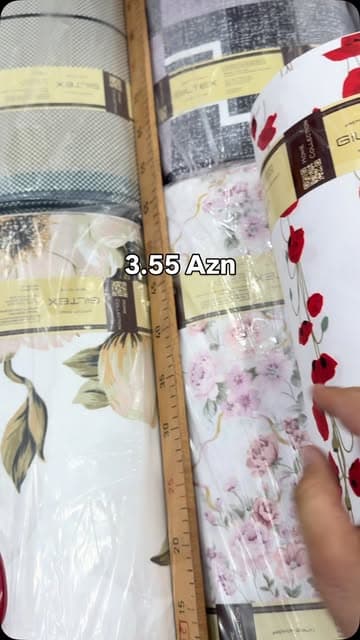
Metrlə 4
WholesaleNegotiable
Retail4 manat
Min. orderNegotiable
BakuYesterday, 23:55
WholesaleNegotiable
Retail4 manat
WholesaleNegotiable
RetailNegotiable
WholesaleNegotiable
RetailNegotiable
WholesaleNegotiable
RetailNegotiable
WholesaleNegotiable
RetailNegotiable
WholesaleNegotiable
RetailNegotiable
WholesaleNegotiable
RetailNegotiable
WholesaleNegotiable
RetailNegotiable

WholesaleNegotiable
RetailNegotiable
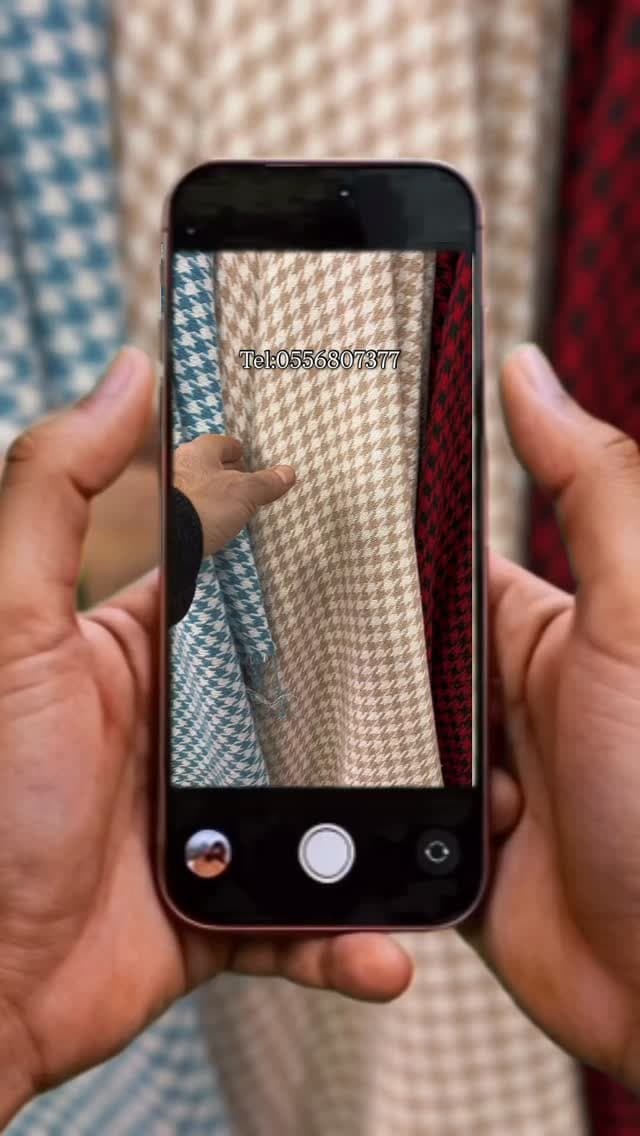
WholesaleNegotiable
RetailNegotiable
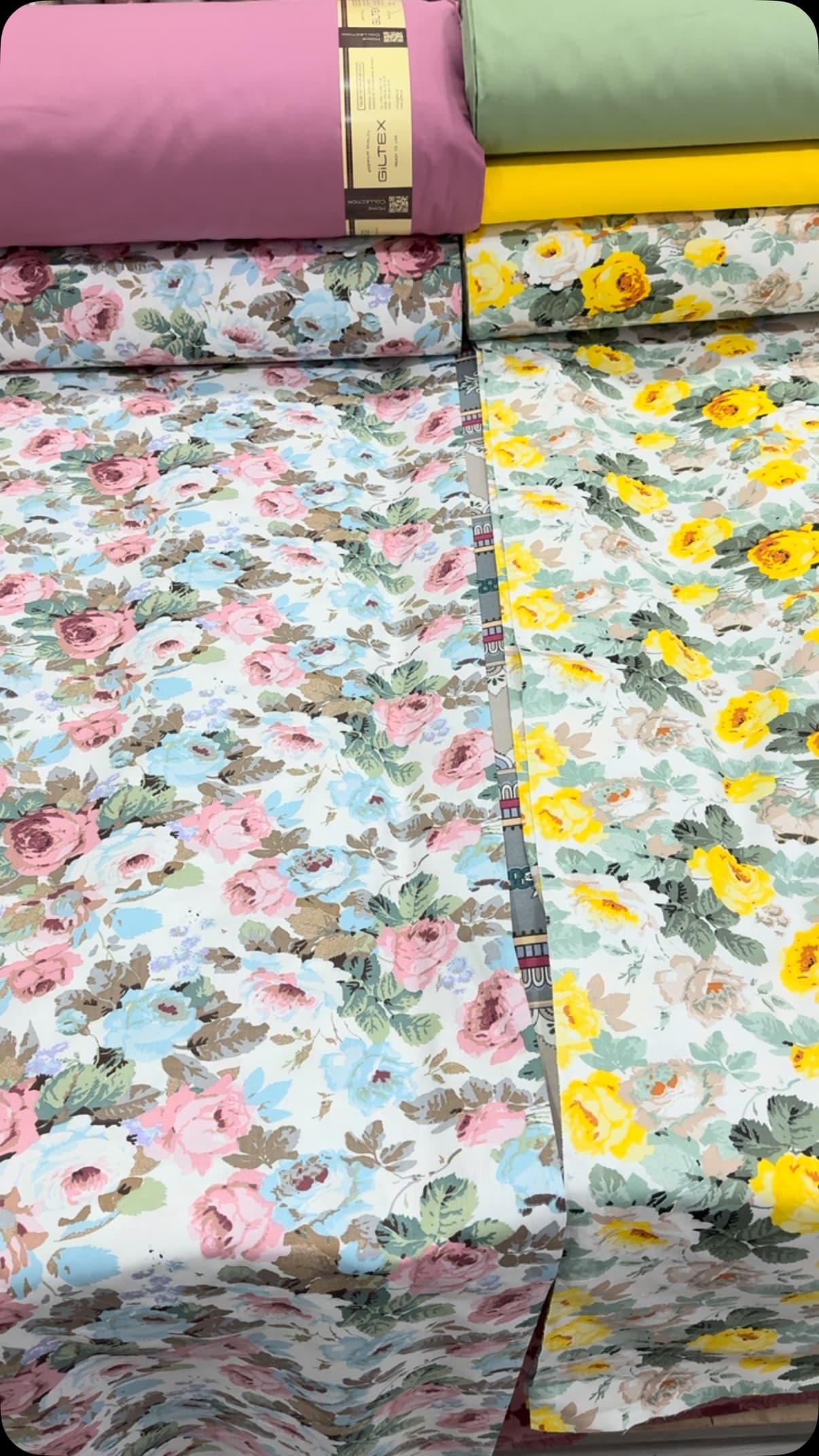
WholesaleNegotiable
RetailNegotiable
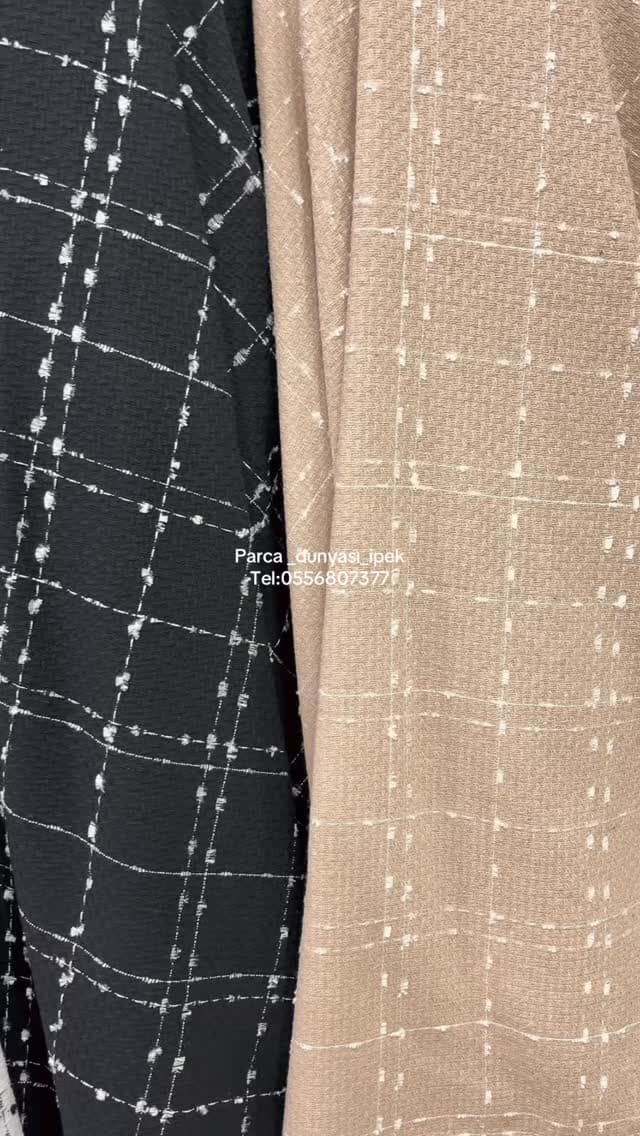
WholesaleNegotiable
RetailNegotiable
Azerbaijan silk goes back to the Silk Road, and Sheki remains the town most associated with it: silk thread, plain silk cloth and the kelaghayi, a square headscarf printed with traditional patterns, are still made there and in the village of Basqal. Day to day, though, fabric wholesale in Azerbaijan moves mainly cotton and blended cloth: calico, poplin, jersey and fleece for garment makers, suiting and shirting for tailors, lining, upholstery and curtain fabric for interior workshops. Buyers include ateliers, uniform makers, bedding sewers and exporters testing Azerbaijani cotton.
Woven cloth is sold by the metre and dispatched in rolls, while knitted fabric is often priced by the kilogram because its width and stretch vary. The price follows fibre content, weight in grams per square metre, width, dyeing and finishing; a printed or yarn-dyed design costs more than a piece-dyed plain. Demand rises before the school year and ahead of autumn collections. Before paying, ask for a swatch card, a composition statement, and shrinkage and colour-fastness results if the cloth will be washed often.
Here you can filter products by city, set a price range per metre or kilogram, and sort by the newest offers or by price. Each product page shows its unit and minimum order, so you see at once whether a seller cuts short lengths or sells whole rolls only. Contact the mill or trader directly, or post a buy request naming the fibre, width, colour and metreage you need.
When buying silk cloth or Azerbaijan silk scarves in quantity, burn a thread from the edge or ask for a lab report: real silk smells of burnt hair and leaves a soft ash, while polyester melts into a hard bead.
Sewing supplies are sold in different units from cloth: thread by the reel, zips by the piece or the pack, buttons by the gross of 144, and elastic and tape by the metre. For thread the key figure is the count, with 40/2 the common choice for garment seams and 20/2 or 30/2 for jeans and heavy cloth; the reel length, often 5000 yards or about 4570 metres, is printed on the label.
A zip is described by chain type, number and length, and a button by its line size, where one line is 0.635 millimetres, so 24L is roughly 15 millimetres across. Colour codes differ between dye lots, so take all the thread and buttons for one model from a single batch. The table lists what a product page should state for each item.
| Item | Size stated on the product page | Wholesale unit |
|---|---|---|
| Thread | count (40/2, 20/2) and reel length | reel, box |
| Zip | chain type (coil, metal, moulded plastic), number (3 to 8), length in cm | piece, pack of a hundred |
| Button | diameter in lines (18L, 24L, 32L); holes or shank | gross (144) |
| Elastic and tape | width in mm, stretch, colour | metre, roll |
| Fusible interfacing | width in cm and weight | metre, roll |
Last updated:
Woven fabric is quoted per metre and shipped on rolls whose length varies with the cloth, while jersey, fleece and other knits are usually sold by the kilogram. Ask each seller to state width, weight and roll length, so that offers for fabric by the metre and by the kilogram can be compared on equal terms.
Check fibre, print and edge finish: a traditional kelaghayi is made of silk, with a printed or dyed pattern and a neatly rolled or stitched edge. Ask for photographs of the reverse side, where dye penetration shows, and request a few pieces as samples before you commit to a larger lot.
Fibre content, weight, width, the dyeing method and the finish set the base price, and imported cloth also tracks the exchange rate against AZN. Large orders of a single colour usually earn a better unit price than many short colour runs, because every colour change costs the mill set-up time.
Expect an invoice naming the fibre composition and the quantity in metres or kilograms, plus a packing list by roll. For export, ask whether a certificate of origin can be issued, and for cloth destined for children's wear or upholstery ask about test reports, since your market may require them.
Yes, custom dyeing and printing are possible above a minimum run per colour or per design that each mill or print house sets. Send a physical colour reference, agree a lab-dip approval step, and fix the shrinkage tolerance and the accepted shade variation between rolls in writing.
Ateliers and tailoring shops, uniform and workwear sewers, bedding producers, curtain and upholstery workshops, and small clothing labels are the regular buyers of wholesale fabric in Baku. Exporters and foreign buyers add demand for cotton cloth and silk, usually in larger single-specification lots.
Store rolls horizontally on racks in a dry, shaded room and keep them in their polythene until cutting, because damp causes mildew and direct light fades dyes along the outer layers. Silk needs extra care: protect it from moths and never stack heavy rolls on top of it.
Some of it is: cotton grown in districts such as Saatly, Aghjabadi and Barda is ginned and spun locally, and part of that yarn is woven or knitted in Azerbaijani mills. Fabric sold in Baku can also be imported, so ask cotton fabric suppliers where the yarn and the cloth were made if origin matters for your export papers.