













MEDIOLD KLINIKASINA BITISIK
WholesaleNegotiable
RetailNegotiable
Min. orderNegotiable
BakuYesterday, 09:51
WholesaleNegotiable
RetailNegotiable
WholesaleNegotiable
RetailNegotiable

WholesaleNegotiable
RetailNegotiable

WholesaleNegotiable
RetailNegotiable

WholesaleNegotiable
RetailNegotiable
WholesaleNegotiable
RetailNegotiable

WholesaleNegotiable
RetailNegotiable

WholesaleNegotiable
RetailNegotiable
WholesaleNegotiable
RetailNegotiable
WholesaleNegotiable
RetailNegotiable
WholesaleNegotiable
RetailNegotiable
WholesaleNegotiable
RetailNegotiable
Dairy and edible oils wholesale in Azerbaijan brings two supply chains onto one page. Oil comes from crushing and refining plants and from importers who receive it in bulk and bottle it locally; dairy comes from processing plants, cheese workshops and farms that collect village milk. The main buyers are restaurants and fast-food kitchens that fry daily, bakeries and pastry shops that work with butter, margarine and milk powder, and grocers who fill chilled shelves.
Vegetable oil trades by the litre in 1 and 5 litre PET bottles, in canisters of 10 to 20 litres for kitchens, and by the tonne in bulk. Butter moves in lined cartons holding a block of 5 to 25 kg, milk powder in 25 kg paper bags with an inner liner, white cheese in brine tins or vacuum packs. Oil prices follow the sunflower and corn harvests, the refining grade and import costs; dairy follows the milk season, with more cheese on offer in spring and summer. Demand for butter and clarified butter climbs before Novruz, when traditional pastries are baked.
A buyer of chilled dairy should start with the city filter, because every hour on the road shortens the remaining shelf life. Sellers can switch the offer type to buy requests to read what bakeries and restaurants are asking for. Each product page shows the minimum order with its unit, kilogram, litre or box, and a wholesale price where the seller entered one. Product pages are in Azerbaijani, where butter is «kərə yağı» and cheese is «pendir», so search with those words too.
When ordering from a butter wholesale supplier, read the ingredient list before the price: a product named butter should list milk fat as its only fat, while a spread or blend contains vegetable fat and behaves differently in dough and cream. Bake or whip a sample from the first lot before placing the main order.
The label is the specification of a dairy or oil lot. It states the product name, the fat content, the production and best-before dates, the storage temperature, the net weight and the batch number, and on butter, cheese and milk powder the ingredient list shows whether any vegetable fat has been added. A wholesale buyer reads the outer carton, bag or tin, and not only the retail pack inside it.
Dates weigh differently by product: fresh dairy lasts days, butter and cheese weeks to months depending on storage, oil and milk powder many months. Compare the remaining shelf life with how fast your outlet sells, and check that the temperature on the label was kept on the road. The table sets out the usual wholesale pack and the key label lines for each dairy and oil product.
| Product | Usual wholesale pack | Key lines on the label |
|---|---|---|
| Butter | block of 5–25 kg in a lined carton; foil packs by the case | milk fat as the only fat; fat content; chilled or frozen storage |
| Vegetable oil | 1 L and 5 L PET bottles in cases; 10–20 L canisters | refined or unrefined; bottling date; store away from light |
| Milk powder | 25 kg paper bag with inner liner | whole, skimmed or fat-filled; moisture; production date |
| White brined cheese | tin or bucket in brine; vacuum block | milk type; fat in dry matter; chilled storage |
| Yoghurt, sour cream, curd | cups and buckets in crates | production date; short best-before; chilled range |
| UHT milk and cream | 1 L cartons by the case | unopened storage at room temperature; best-before date |
Last updated:
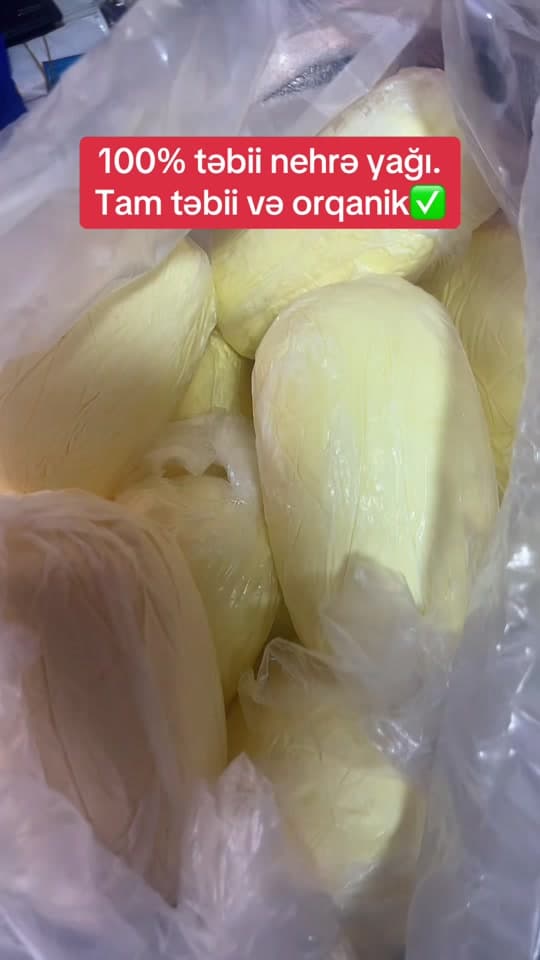
Wholesale butter is packed as a solid block of 5, 10, 20 or 25 kg wrapped in parchment or film inside a carton, and as small foil packs sold by the case for shops. Bakeries and pastry kitchens buy blocks, which are quicker to portion and carry less packaging. The carton label gives the fat content, the production date, the storage temperature and whether the butter is salted or unsalted, sweet-cream or cultured.
Read the product name and the ingredient list on the pack: butter lists cream or milk fat as its only fat, while a spread, blend or margarine lists vegetable oils or fats. The name on the label should match the name on the invoice. In the kitchen the difference shows in taste, in melting and in how a laminated dough holds its layers, so test a sample, and read the label twice when an offer is far below the usual level for butter.
The storage temperature is printed on each label and should be followed exactly; as a guide, fresh dairy such as yoghurt, sour cream and curd is kept chilled at about +2 to +6 °C. Butter is held at similar chilled temperatures for short periods and frozen at around −18 °C for long storage, and cheese stays chilled in its brine or vacuum pack. Ask the seller how the goods were kept before sale, and check the temperature inside the vehicle on arrival.
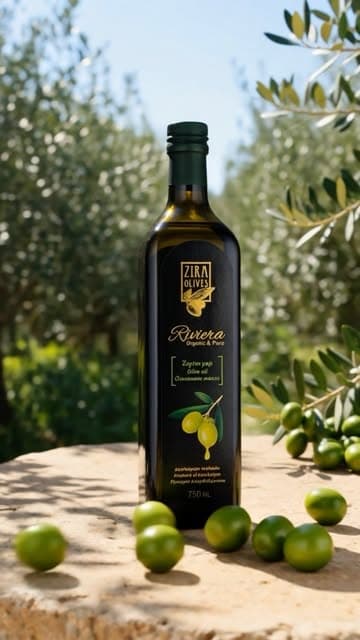
Refined, deodorised oil suits frying, and unrefined oil suits cold dishes. Refining removes the substances that give taste, colour and smoke at high temperature, so refined sunflower or corn oil and frying blends stay stable in a fryer, which is why they are the usual cooking oil for restaurants. Unrefined, cold-pressed oil keeps its aroma and is chosen for salads and for retail customers who ask for it by taste. The label states the type, the bottling date and the best-before date.
Each seller sets a minimum and shows it with its unit on the product page: cases or litres for bottled oil, kilograms or cartons for butter, bags for milk powder, tins or kilograms for cheese. Distributors commonly sell from a few cases, while importers and plants may ask for a pallet, or a tonne of oil in bulk. Match the lot to what you can sell before the best-before date, because a bigger order only pays if none of it is written off.
Check the type first: whole milk powder, skimmed milk powder and fat-filled powder, in which vegetable fat replaces milk fat, are different products for different recipes. Then read the fat content, the moisture, the production date and the best-before date on the 25 kg bag, and make sure the inner liner is intact. Milk powder draws moisture and odours from the air, so it is stored dry and cool on pallets, away from spices and chemicals.
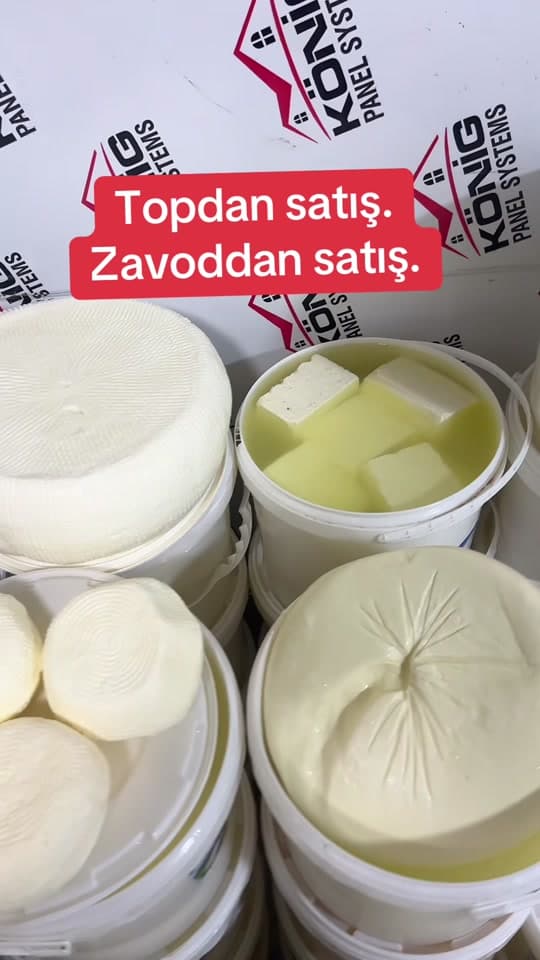
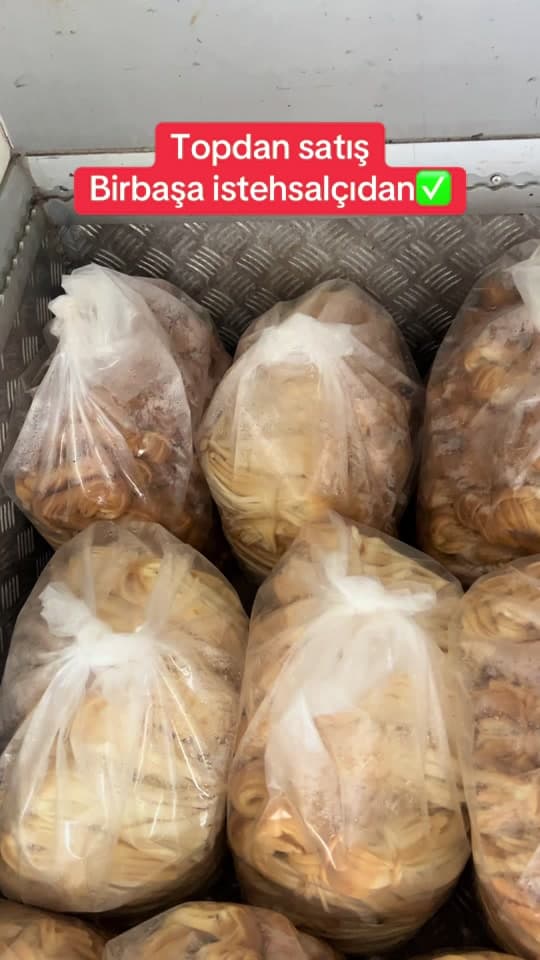
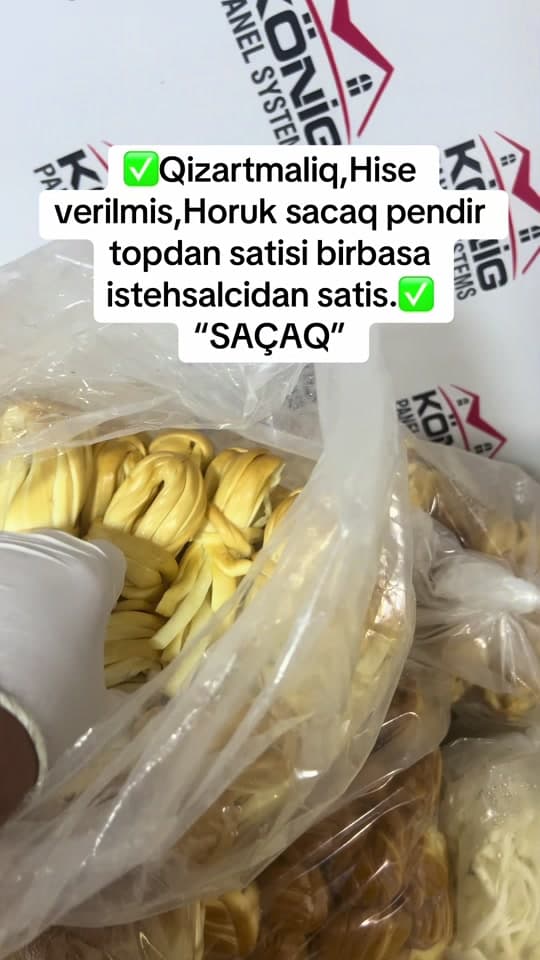
White brined cheese travels in its brine, in sealed tins or plastic buckets, or as vacuum-packed blocks, and it stays chilled all the way. The brine keeps the cheese from drying out and spoiling, so a leaking or half-empty tin is a reason to refuse the lot. The label states the milk used, cow, sheep or mixed, the fat in dry matter and the dates; ask whether the stated weight is drained cheese or includes the brine.
Cheese supply peaks in spring and early summer, when herds give more milk, and thins out in winter. Demand for butter and clarified butter rises before the Novruz holiday in March and again before the New Year, when households and pastry shops bake. Buyers who need steady volumes through winter usually agree quantities with a dairy in advance, or move part of their recipes to milk powder and frozen butter.
A buyer may ask for a quality or conformity certificate for the batch, and for products of animal origin a veterinary or health certificate may be required. Requirements depend on the product and on whether it is imported, sold locally or exported, so confirm them with the seller and, for cross-border trade, with a customs broker. Whatever the paperwork, the batch number and dates on it should match those printed on the butter cartons, cheese tins or oil cases.
Sign up with a phone number and password, choose the buy request type and place it in the Dairy & Oils category; posting is free. Name the product precisely, for example unsalted butter in 20 kg blocks or refined sunflower oil in 5 litre bottles, then the quantity per delivery, how often you order and your city. Dairies and oil suppliers contact you directly, and the platform takes no part in payment or chilled transport.