
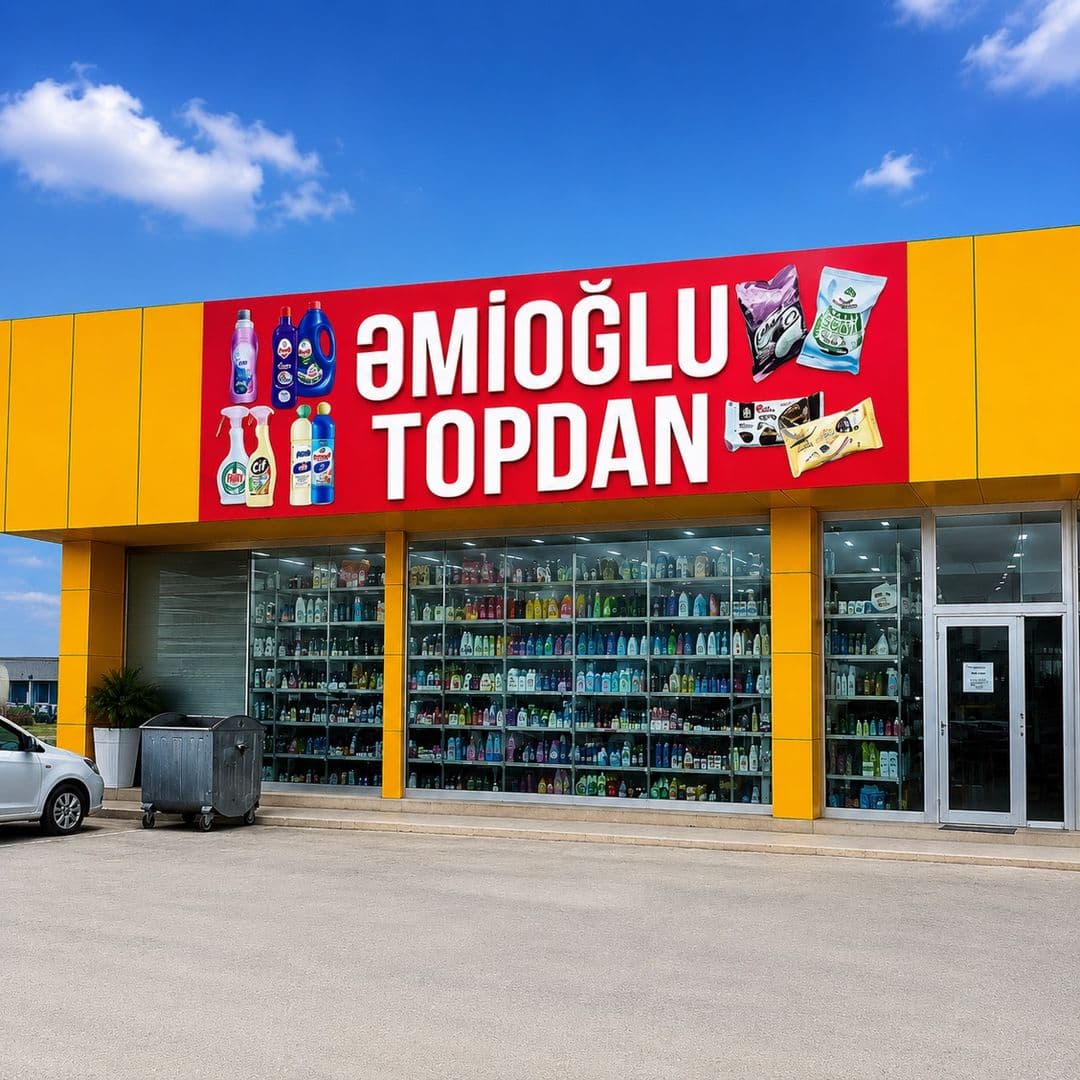












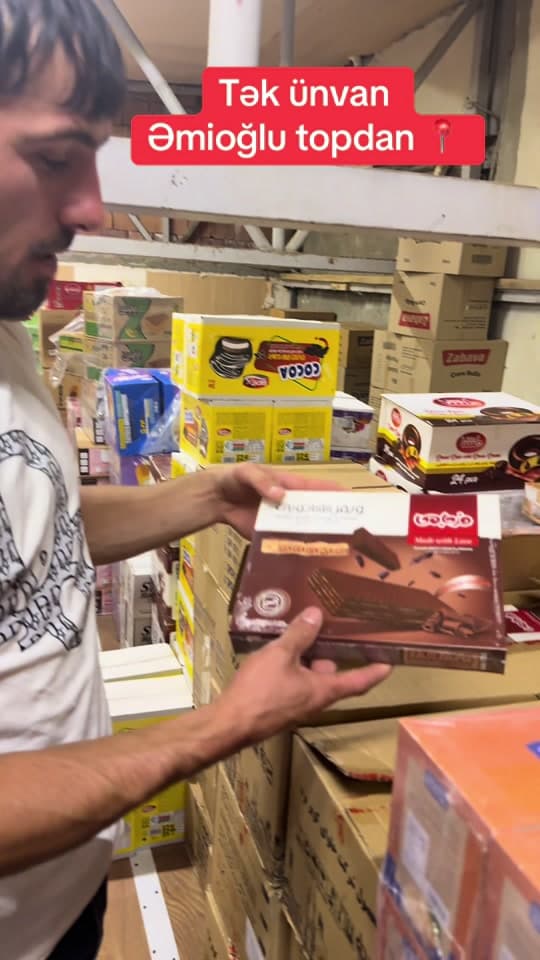
Atatop şokolad örtüklü vafli, qutuda
WholesaleNegotiable
RetailNegotiable
Min. orderNegotiable
BakuYesterday, 09:46
WholesaleNegotiable
RetailNegotiable
WholesaleNegotiable
RetailNegotiable
WholesaleNegotiable
RetailNegotiable
WholesaleNegotiable
RetailNegotiable
WholesaleNegotiable
RetailNegotiable
WholesaleNegotiable
RetailNegotiable
WholesaleNegotiable
RetailNegotiable
WholesaleNegotiable
RetailNegotiable
WholesaleNegotiable
RetailNegotiable
WholesaleNegotiable
RetailNegotiable
Sugar in Azerbaijan and the sweets made from it move through two separate flows. Importers and plants supply granulated sugar, cubes and confectionery raw materials, while factories and workshops make finished goods such as chocolate, sweets, biscuits, wafers, cakes, pakhlava and shekerbura. Sugar is bought by bakeries, confectioners, jam and drink makers, restaurants and markets, and finished sweets go to supermarkets, sweet shops, tea houses, wedding halls and companies that assemble gift boxes.
Granulated sugar normally travels in 50 kg sacks, in tons for large buyers and in small retail packs for supermarkets, and its price follows the world price of the raw material, whether cane or beet, plus import costs and the exchange rate. Finished sweets are weighed by the kilogram or packed in boxes, and shelf life, ingredients and the look of the pack account for much of their price. Novruz, New Year, Ramadan and the wedding season lift demand sharply, while in summer chocolate can melt, so transport and storage need extra care.
A bakery can sort sack and ton products by price, while a sweet shop uses the city filter to find producers in Baku, Ganja or Sheki. Some sellers also allow retail purchase, which is convenient for trying a new product in a small quantity, and the wholesale price applies from the minimum order. For gift sets or special packaging, state the requirements in a buy request.
Order holiday sweets at least a month ahead and check that the best-before date covers your whole selling period. Boxed goods left on the shelf after the holiday often have to be sold at a discount, so size the order from last season's actual sales.
The wholesale unit changes with the product: sugar is bought by the sack or the ton, chocolate, biscuits and wafers come in cartons of retail boxes, and traditional sweets are usually weighed by the kilogram or sold on trays. Compare products only within the same unit, and ask for the net weight of a sack or carton.
Every packed product should carry its production and best-before dates, ingredients and storage conditions on the label. Chocolate needs a cool, dry store, and syrup-soaked sweets keep for a shorter time than dry biscuits, so agree delivery timing with the seller. The table lists the usual unit and the label check for each product.
| Product | Typical wholesale unit | What to check |
|---|---|---|
| Granulated sugar | sack, ton, retail packs | net weight; dryness; no lumps |
| Cube sugar | carton of boxes | net weight per box; intact cubes |
| Chocolate | carton, box, kilogram | dates; ingredients; storage temperature; bloom |
| Biscuits and wafers | carton of packs | best-before date; unbroken packs |
| Traditional sweets | kilogram, tray, gift box | production date; storage conditions |
Last updated:
Granulated sugar is usually sold in 50 kg sacks, with tons for large buyers and small retail packs for supermarkets. Ask for the net weight, since sacks from different suppliers can differ, and compare prices per kilogram. A sack should be dry, undamaged and stitched shut; torn or damp sacks signal poor storage.
Sugar follows the world market for raw cane and beet sugar, plus import costs and the exchange rate, so prices move even when local demand is flat. Seasonal demand from jam makers, bakeries and holiday confectionery adds pressure before big holidays. Ask the seller how long a quoted price holds and whether it is per sack or per ton.
Move chocolate in the coolest part of the day, in shaded or temperature-controlled vehicles, and store it in a cool, dry room away from strong smells. Heat melts the cocoa butter, and when it sets again a white film called bloom appears; the chocolate is usually still edible but looks poor and sells badly. Book the transport before you confirm the order.
Yes, but they need suitable packaging and a short route. Syrup-soaked sweets such as pakhlava and shekerbura keep for a shorter time than dry biscuits, so agree the production date, the tray or box type and the delivery time with the maker. For long distances ask how the product is packed to stay dry and intact.
The pack should show the product name, ingredients, net weight, production and best-before dates, storage conditions and the producer or importer. Check that the text is readable in a language your customers understand, which may mean an extra local label. Ask the seller for the documents for the batch, since requirements depend on the product.
Some producers accept private-label orders, but each sets its own minimum run, so ask before you plan. Prepare the pack size, artwork, shelf life and taste preferences, and ask for a sample and a written specification. Check that the finished pack carries ingredients and dates, because the label is the producer's and your joint responsibility.
They buy by weight or by the tray for each event, often ordering days ahead, and they value consistent quality and delivery timing over variety. Tea houses, called chayxana in Azerbaijani, buy sugar cubes and sweets for daily service, while wedding halls order larger assortments before the peak season. Agree dates and quantities in advance.
Caking means the sugar has absorbed moisture, usually from damp storage or torn sacks, and lumps cause trouble in dosing machines. A yellowish tint points to a lower degree of refining or to impurities. Open a sample sack, check dryness and colour, and compare it with the first batch you received.
Aim for at least half of the total shelf life to remain on delivery, and more for gift boxes sold over a holiday. Check that the best-before date covers the whole period in which you plan to sell the goods. Short-life products such as syrup sweets should be ordered in smaller, more frequent lots.