










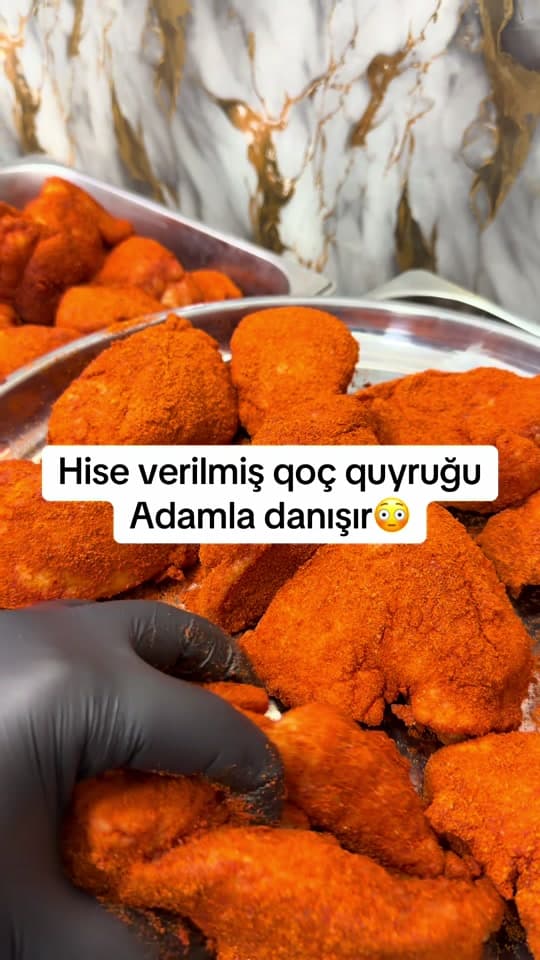
Hisə verilmiş qoç quyruğu, ədviyyatlı
WholesaleNegotiable
RetailNegotiable
Min. orderNegotiable
BakuYesterday, 11:22
WholesaleNegotiable
RetailNegotiable
WholesaleNegotiable
RetailNegotiable
WholesaleNegotiable
RetailNegotiable
WholesaleNegotiable
RetailNegotiable
WholesaleNegotiable
RetailNegotiable
WholesaleNegotiable
RetailNegotiable
WholesaleNegotiable
RetailNegotiable
WholesaleNegotiable
RetailNegotiable
Wholesale meat and poultry in Baku moves through slaughterhouses, livestock farms, poultry plants, importers of frozen meat and cutting rooms. They supply butchers, kebab houses and restaurants, hotels, caterers, supermarkets and sausage makers. Lamb and beef come largely from livestock raised across the regions, while frozen chicken parts and beef cuts are also imported. Halal slaughter is the norm for the local market, an important point for foreign meat suppliers selling into Azerbaijan.
Meat is priced per kilogram as whole or half carcasses, primal cuts, boneless trim or portion packs; poultry comes as whole birds or parts in boxes, fresh or frozen. MOQs range from a single carcass for a butcher to several tons for a frozen container. Price depends on breed, age, fat cover, chilled or frozen state, feed and import costs, and demand jumps before Gurban Bayram (Eid al-Adha) and the New Year. Veterinary and slaughter documents may be required, so ask to see them for each batch.
Slaughterhouses and cold stores close enough for chilled delivery are easiest to find with the city filter; add a price range in AZN and, if you are a farmer selling livestock or carcasses, browse buy requests instead of offers. Each product page shows the wholesale price per unit where listed and the minimum order, and the supplier's contact details are there for questions about cutting specifications.
When pricing chilled lamb, ask for the hanging weight and the expected cutting yield: a cheaper carcass with heavy fat and bone can cost more per kilogram of usable meat than a leaner, pricier one.
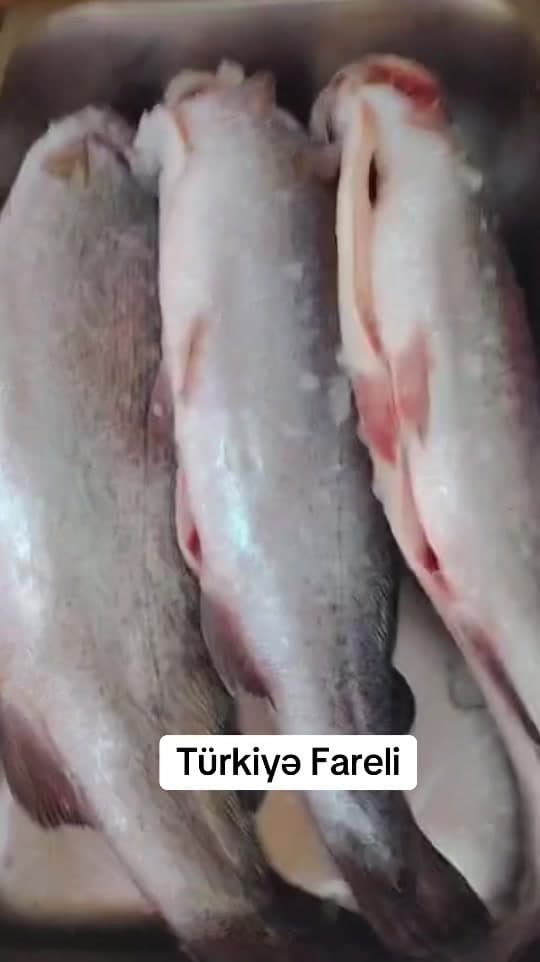
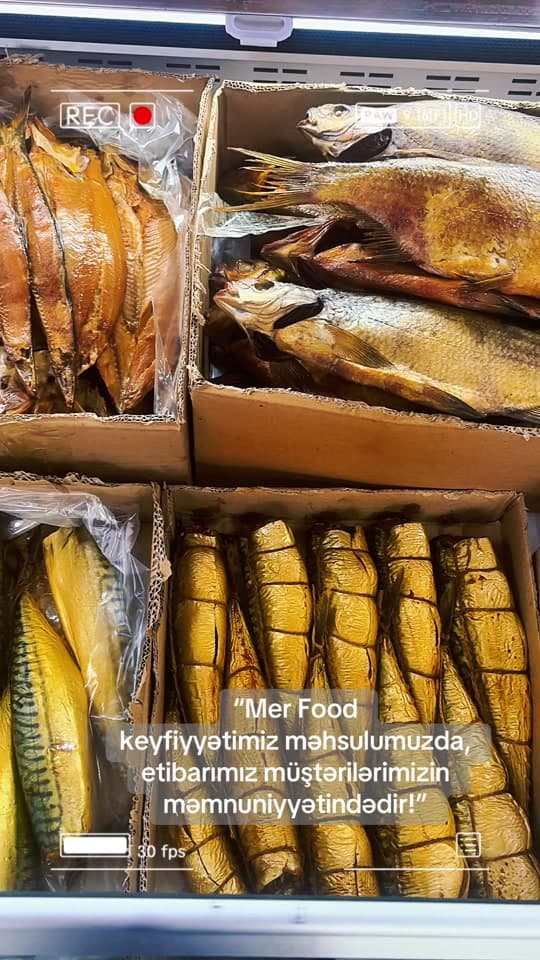
Fish is traded in two regimes: chilled fish is kept on ice at 0 to +2 °C, frozen fish at −18 °C or lower. Freezing is done either in blocks or as individually quick frozen (IQF) product; in IQF each fish or shrimp carries a thin ice glaze, and its share should be stated on the label because net weight depends on it. The product page should also state the form: whole, headed and gutted, steaks or fillets.
Packaging follows the regime: chilled fish arrives in polystyrene boxes filled with ice, frozen product in cartons with a polyethylene liner or in vacuum packs. On receipt the temperature of the vehicle body and of the product is measured; water traces in a box and fish stuck together point to a batch that thawed and refroze. As an animal product it may require a veterinary certificate and hygiene documents, and the catch or freezing date is read from the label.
| Form | Storage and transport regime | Typical pack |
|---|---|---|
| Chilled whole fish | 0 to +2 °C, on ice | polystyrene (insulated) box |
| Frozen block fish | −18 °C or lower | carton, polyethylene liner inside |
| IQF fish and shrimp | −18 °C or lower; glaze share on the label | carton, bag |
| Fillets, steaks | frozen at −18 °C; chilled at 0 to +2 °C | vacuum pack, box |
Last updated:
Most meat produced for the local market is slaughtered according to halal practice, and buyers in Baku generally expect it. Imported meat may come with halal certification from the exporting country; if halal status matters to your customers, ask the supplier for the certificate and check that it covers the specific plant and product.
It depends on the seller's format: local poultry plants often sell fresh whole birds or parts by the box of a set weight, while frozen importers usually start from a pallet or several tons. Each product page states its own minimum order quantity and unit, so compare offers per kilogram of the same product form.
Chilled meat needs refrigerated transport just above freezing and short transit times, while frozen meat must stay deep-frozen without interruption, because thawing and refreezing ruin texture and safety. Check the truck's temperature log at delivery. Transport is arranged between buyer and seller; the platform neither delivers nor insures goods.
Buyers typically ask for a veterinary or health document for the batch, the slaughter or production date, an invoice and, for imported meat, customs and origin papers. Exact requirements may vary by product and destination, so confirm in advance which documents the supplier will provide and keep them on file for inspections.
Demand for lamb and live sheep rises sharply before Gurban Bayram, when many families and charities buy animals for sacrifice, and again during the autumn wedding season. Prices in these windows can move quickly, so restaurants and butchers often contract volumes or freeze stock in advance.
Yes, much frozen beef and poultry reaches Baku through importers and distributors, but plant approval, veterinary certification and halal documentation may be required before goods clear customs. A foreign exporter usually needs a local partner who handles clearance and cold storage and then sells on to wholesalers and food service.
Many cutting rooms and some slaughterhouses prepare cuts to a restaurant's specification, such as kebab cubes, mince with an agreed fat level or vacuum-packed portions, under the restaurant's own label if needed. Custom work normally carries a minimum weekly volume and a higher price per kilogram, so agree on the specification and tolerances before the first order.
Restaurants outside Baku usually buy wholesale meat and poultry from slaughterhouses and farms in their own district, around Ganja, Sheki or Lankaran for example, and turn to Baku distributors for imported or frozen lines. Regional supply is often cheaper for lamb and beef, but buyers should check sanitary conditions and the availability of documents before placing regular orders.